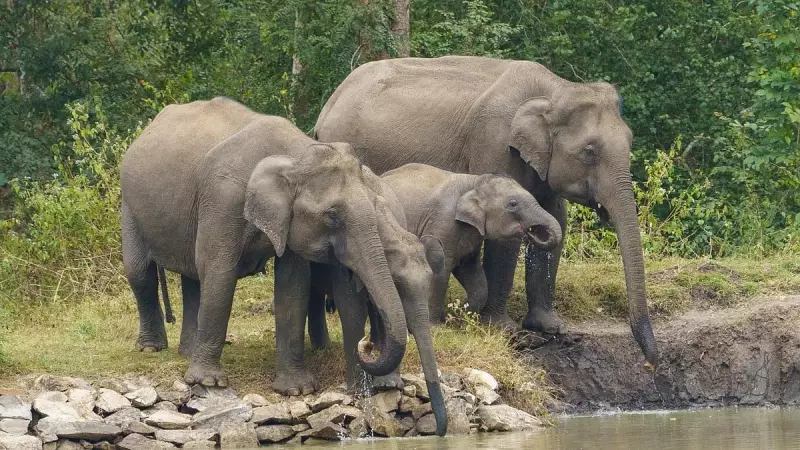
The tragic and recurring deaths of elephants on railway tracks across India have sounded a clarion call for a fundamental shift in safety strategy. Conservationists and authorities agree that the current reactive measures are insufficient, and the solution must now centre on developing a robust, proactive system capable of efficiently tracking wildlife movement near these deadly corridors.
A Persistent Tragedy Demands a Proactive Response
For years, news of elephants being struck and killed by trains has emerged from various regions, causing public outcry and highlighting a critical failure in coexistence infrastructure. Each incident underscores the same grim reality: warning signs and occasional speed restrictions are not enough. The animals' traditional migratory paths are often bisected by railway lines, creating inevitable and fatal conflict zones. The need of the hour is to move beyond temporary fixes and implement a permanent, intelligent monitoring network.
Building a System for Real-Time Tracking and Alerts
The proposed new approach hinges on technology. An effective system would integrate several tools to create a comprehensive safety net. This could include:

- AI-powered camera surveillance along vulnerable sections of track to detect elephant movement.
- Seismic or acoustic sensors that can pick up the vibrations and sounds of approaching herds.
- GPS tracking of radio-collared elephants in key habitats, with data shared in real-time with railway control rooms.
The goal is to establish an integrated early warning system that can alert locomotive pilots and station masters the moment elephants are detected near the tracks, allowing trains to slow down or stop well in advance. This system must be reliable, function in all weather conditions, and cover the extensive network of tracks cutting through forested areas.
Collaboration is Key to Implementation
Creating and deploying such a system is not a task for a single agency. It requires unprecedented collaboration between the Ministry of Railways, the Ministry of Environment, Forest and Climate Change, state forest departments, and wildlife research institutes. Funding, technological expertise, and on-ground maintenance must be pooled. Furthermore, railway staff need dedicated training to respond appropriately to automated alerts. The editorial, dated 24 December 2025, rightly points out that the solutions must be systemic, not piecemeal.
The continued loss of these majestic, ecologically vital animals is a stain on conservation efforts. Investing in a sophisticated tracking and alert system is not just an expense; it is a necessary investment in preserving India's natural heritage and ensuring safer journeys for both wildlife and humans. The time for a new, technology-backed safety approach is now.