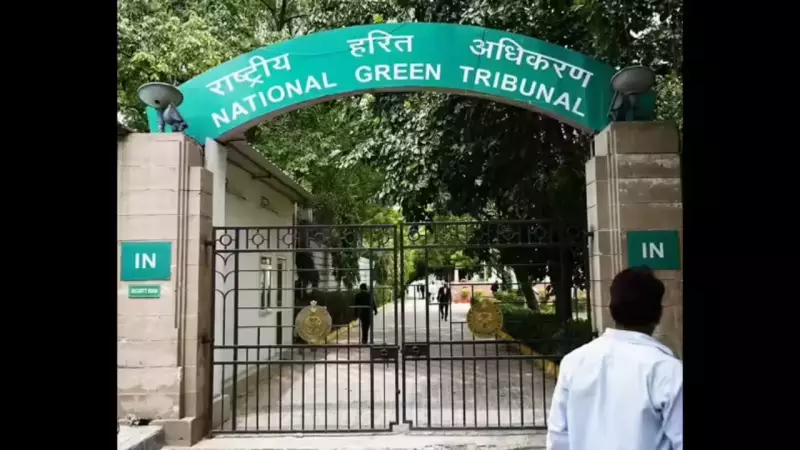
The central zone bench of the National Green Tribunal (NGT) has raised serious concerns over the legal basis for allowing the felling of a massive number of trees for a highway project in the capital of Madhya Pradesh. On Thursday, the bench questioned the rationale behind the permission granted to the National Highways Authority of India (NHAI) to cut down more than 8,700 trees to widen a 16-kilometer road stretch in Bhopal.
NGT Seeks Transfer of Plea and National Policy
While hearing a petition against the tree felling, the NGT bench took a significant step. It requested the NGT chairperson to transfer the plea to the tribunal's principal bench in Delhi. The central zone bench emphasized the need for a nationwide policy to govern permissions for large-scale tree removal undertaken for developmental projects across the country. This move highlights the growing judicial concern over the environmental cost of infrastructure development.
Permission Granted in December, Axes Started Falling
The controversial permission was granted in December by a centrally empowered committee. This committee was constituted by the Madhya Pradesh government on the directions of the NGT's central zone bench itself. It operates under the chairmanship of the state's additional chief secretary of urban administration.

Following the receipt of this clearance, the NHAI, with operational support from the Bhopal Municipal Corporation, commenced the tree-cutting activity at the project site. Notably, this action began even as a petition challenging the permission was actively being heard before the NGT, putting the spotlight on the conflict between project execution and legal scrutiny.
Implications and the Road Ahead
The NGT's intervention underscores a critical tension between rapid infrastructure development and environmental conservation. The tribunal's call for a national policy on tree felling suggests that current state-level mechanisms may be insufficient to assess the cumulative ecological impact of such projects. The fate of the Bhopal road widening project now hinges on the deliberations of the Delhi bench, whose decision could set a precedent for how similar conflicts between development and green cover are resolved across India.