

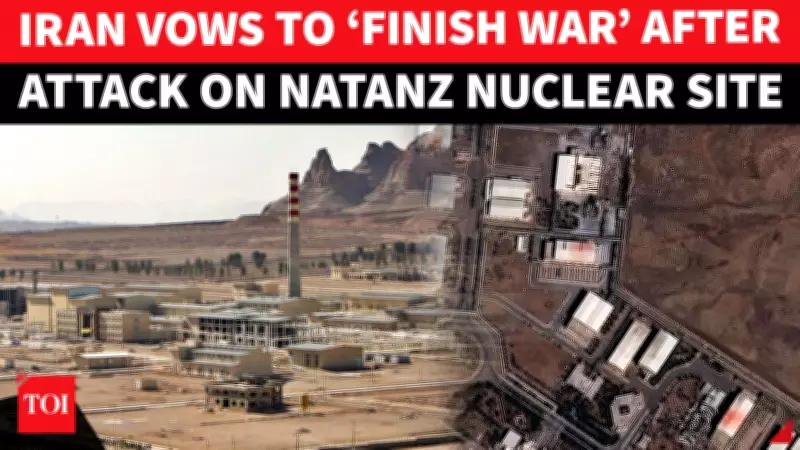
Nuclear Leak Fears Escalate After Natanz Facility Strike
International fears of a potential nuclear disaster are intensifying following reports of another strike on Iran's critical Natanz uranium enrichment facility. Tehran has launched strong condemnation of what it describes as a "criminal" attack, directly accusing the United States and Israel of violating established international laws and protocols.
Iran's Official Response and Safety Claims
The Iranian Atomic Energy Organization has moved quickly to address mounting concerns, issuing an official statement asserting that no radioactive leaks have been detected at the Natanz site. Authorities maintain that residents in surrounding areas are not currently in danger, attempting to project control over the volatile situation despite the visible damage to critical nuclear infrastructure.
Fresh Imagery Reveals Proximity to Bushehr Reactor
New satellite imagery and intelligence reports have revealed particularly alarming details about the scope of the attack. Analysis shows a projectile impact zone situated dangerously close to the Bushehr nuclear reactor complex—approximately 350 meters from the reactor's core structure. This proximity to active nuclear facilities has significantly amplified global anxiety about potential catastrophic consequences.

Rafael Grossi, Director General of the International Atomic Energy Agency (IAEA), has issued urgent calls for restraint from all parties involved. Grossi emphasized the critical importance of avoiding any targeting of nuclear sites, warning that such actions could push regional tensions into a dangerous new phase with potentially irreversible consequences for global security.
Escalating Geopolitical Tensions
The Natanz incident represents a significant escalation in the ongoing geopolitical confrontation between Iran and the US-Israel alliance. This attack follows a pattern of targeted strikes against Iranian nuclear facilities, raising serious questions about the potential for miscalculation that could trigger broader regional conflict. The timing is particularly sensitive given existing tensions over Iran's nuclear program and international sanctions.
Global security experts are closely monitoring the situation, concerned that any actual nuclear contamination—despite current denials—could have devastating environmental and humanitarian consequences extending far beyond Iran's borders. The international community now faces renewed pressure to establish clearer red lines regarding attacks on nuclear infrastructure while seeking diplomatic pathways to de-escalate the rapidly deteriorating situation.






