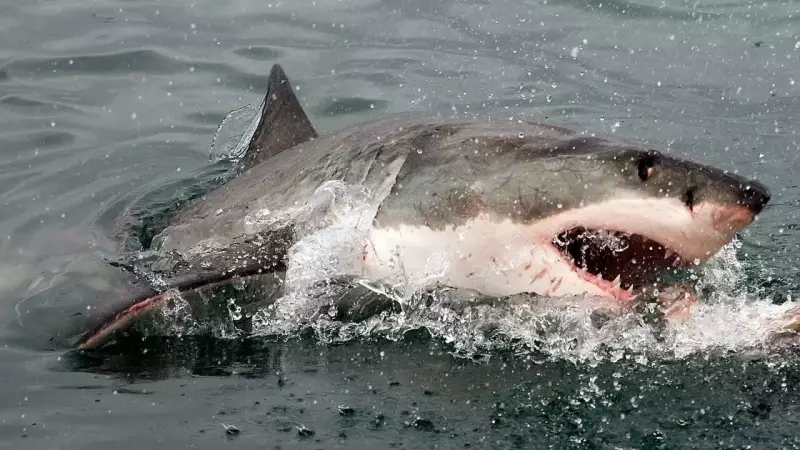
Sharks rule the oceans as powerful apex predators. Their fearsome reputation comes largely from their teeth - razor-sharp tools that constantly regrow throughout their lives. These teeth do more than just tear flesh. They help sharks maintain their position at the top of the food chain. Now, a new threat is emerging that could weaken these vital weapons.
Acidic Oceans Corrode Shark Teeth
Recent scientific findings show shark teeth are vulnerable to ocean acidification. As carbon dioxide levels rise in the atmosphere, oceans absorb more of this gas. The water becomes more acidic. This chemical change directly impacts marine life, including sharks.
German researchers conducted experiments to understand this threat. They collected over six hundred shed teeth from blacktip reef sharks. These sharks inhabit the Pacific and Indian Oceans. The team immersed the teeth in seawater with different acidity levels. Some samples matched current ocean conditions. Others reflected predicted future acidity.

Damaged Teeth Lose Effectiveness
The results proved alarming. Teeth exposed to higher acidity showed clear damage. Cracks appeared in the tooth structure. Holes formed on the surfaces. Roots corroded. The overall integrity of the teeth deteriorated significantly.
Maximilian Baum from Heinrich Heine University Düsseldorf led the study. He explains the problem clearly. "Shark teeth are highly specialised weapons built for cutting flesh, not resisting ocean acid." When teeth weaken, sharks cannot hunt effectively. Their role as apex predators becomes threatened.
Why This Matters for Ocean Ecosystems
Sharks use thousands of teeth during their lifetimes. Strong teeth allow them to control prey populations. This regulation maintains balance in marine ecosystems. Weakened teeth could disrupt this delicate balance.
Many shark species already face multiple threats. Overfishing reduces their numbers. Habitat destruction limits their spaces. Pollution contaminates their environments. Ocean acidification adds another serious challenge.
Natural Protections Offer Some Hope
Sharks do possess natural defenses against acidic water. Their teeth develop within protective tissue before emerging in the mouth. This internal formation shields developing teeth from corrosive seawater.
Nick Whitney of the Anderson Cabot Center for Ocean Life notes sharks' evolutionary resilience. These predators have survived over four hundred million years of environmental changes. This history suggests some capacity to adapt. However, Whitney cautions that adaptation does not eliminate risk entirely.
Broader Impacts on Marine Life
Ocean acidification affects more than just sharks. Shellfish like oysters and clams struggle to build their protective shells in acidic water. Fish scales can weaken too. These changes ripple through food webs, affecting predators and prey alike.
Researchers emphasize the need for awareness and conservation efforts. While overfishing remains the primary threat to sharks today, acidification represents a growing future danger. Scientists urge action to address carbon dioxide emissions at their source.
Baum summarizes the stakes well. Shark teeth play a crucial role in their evolutionary success. Protecting these predators matters for entire ocean ecosystems worldwide. The health of our seas depends on maintaining nature's delicate balances.