

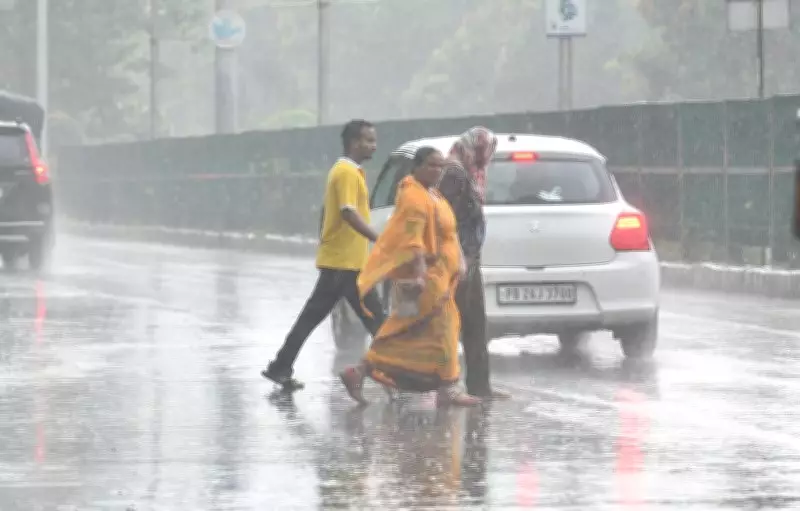
Severe Weather Alert: IMD Warns of Impending Storms and Hail in Northern Region
The India Meteorological Department (IMD) has escalated weather warnings for parts of northern India, issuing a critical orange alert for Chandigarh, Punjab, and Haryana. This alert signals a high likelihood of severe weather conditions, including intense storms and hail, posing significant risks to residents and infrastructure in these areas.
Details of the Orange Alert and Affected Regions
According to the latest IMD bulletin, the orange alert is in effect due to the development of unstable atmospheric conditions. Chandigarh, along with several districts in Punjab and Haryana, is expected to experience heavy rainfall accompanied by strong gusty winds and hailstorms. The alert emphasizes the potential for damage to crops, property, and disruptions to daily life, urging authorities and the public to remain vigilant.
Meteorological experts attribute this weather pattern to a western disturbance interacting with local factors, leading to convective activity that can trigger thunderstorms and hail. The IMD has forecasted that these conditions may persist over the next 24 to 48 hours, with peak intensity likely during the evening and night hours.

Precautionary Measures and Public Advisory
In response to the orange alert, local disaster management teams in Chandigarh, Punjab, and Haryana have been put on high alert. Residents are advised to take several precautions to ensure safety:
- Avoid traveling during the storm, especially in open areas or near tall structures that could be vulnerable to lightning strikes or falling debris.
- Secure loose objects outdoors, such as furniture or vehicles, to prevent them from being blown away by strong winds.
- Stay updated with real-time weather forecasts from official sources like the IMD to monitor any escalation in the alert level.
- Farmers are particularly urged to protect their crops, as hail can cause extensive damage to agricultural produce during this season.
The orange alert is the second-highest level in IMD's four-tier warning system, indicating that severe weather is imminent and requires preparedness. This comes amid a series of weather disruptions in the region, highlighting the need for robust emergency response mechanisms.
Broader Implications and Regional Impact
Beyond immediate safety concerns, the storm and hail threat could have wider repercussions. Transportation networks, including road and air travel, might face delays or cancellations. Power outages are also a possibility if electrical infrastructure is damaged by the severe weather. Authorities are coordinating with utility companies to minimize disruptions and ensure quick restoration of services if needed.
In agricultural sectors, the timing of this alert is critical, as many crops are in vulnerable stages of growth. The IMD's warning allows farmers to take preventive actions, such as covering plants or harvesting early, to mitigate potential losses. This proactive approach underscores the importance of accurate weather forecasting in safeguarding livelihoods.
As the situation evolves, the IMD continues to monitor satellite data and weather models to provide timely updates. Residents in Chandigarh, Punjab, and Haryana are encouraged to heed official advisories and prepare for possible emergencies, reinforcing community resilience in the face of natural hazards.






