

Pakistan's Curfew Policy Severely Disrupts Daily Life in Balochistan
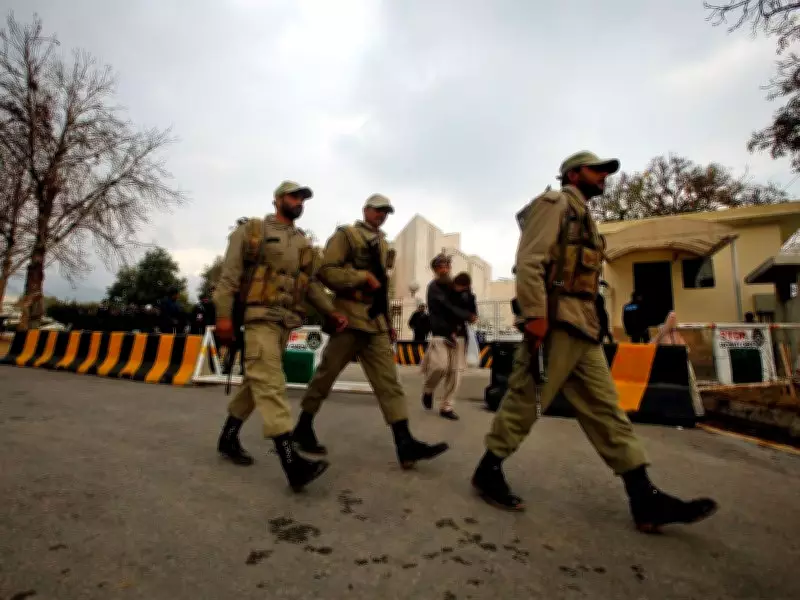
In a significant development, Pakistan's implementation of a stringent curfew policy in the Balochistan region has led to severe disruptions in daily life, causing widespread economic hardship and social unrest among the local population. The policy, aimed at maintaining security, has instead choked normal activities, leaving residents struggling to cope with its far-reaching consequences.
Economic and Social Impact of the Curfew
The curfew has brought economic activities to a near standstill, with markets, schools, and businesses forced to close during restricted hours. This has resulted in substantial financial losses for traders and workers, exacerbating poverty levels in an already underdeveloped area. Socially, the restrictions have limited access to essential services, such as healthcare and education, further marginalizing vulnerable communities.
Residents report that the curfew has created a climate of fear and uncertainty, with many unable to attend to their daily needs or emergencies due to the tight security measures. The policy has also sparked protests and demonstrations, as people voice their frustration over the deteriorating living conditions.

Government Response and Public Reaction
While the Pakistani government defends the curfew as necessary for countering security threats in Balochistan, critics argue that it is overly harsh and fails to address the root causes of instability. Human rights organizations have raised concerns about the policy's impact on civil liberties, calling for a more balanced approach that prioritizes both security and the well-being of citizens.
Public reaction has been largely negative, with many Balochistan residents expressing anger and despair over the prolonged restrictions. The curfew has strained community relations and heightened tensions between local populations and security forces, potentially undermining long-term peace efforts in the region.
Broader Implications for Regional Stability
The situation in Balochistan highlights broader challenges in Pakistan's governance and security strategies. If left unaddressed, the curfew policy could fuel further unrest and instability, not only within Balochistan but also in neighboring areas. Experts warn that such measures may alienate local populations and hinder development initiatives, making it harder to achieve sustainable peace.
In summary, Pakistan's curfew policy in Balochistan has had a profound and negative impact on daily life, disrupting economic activities and social cohesion. As the situation evolves, there is a growing call for policy revisions that better balance security needs with the rights and welfare of residents.






