

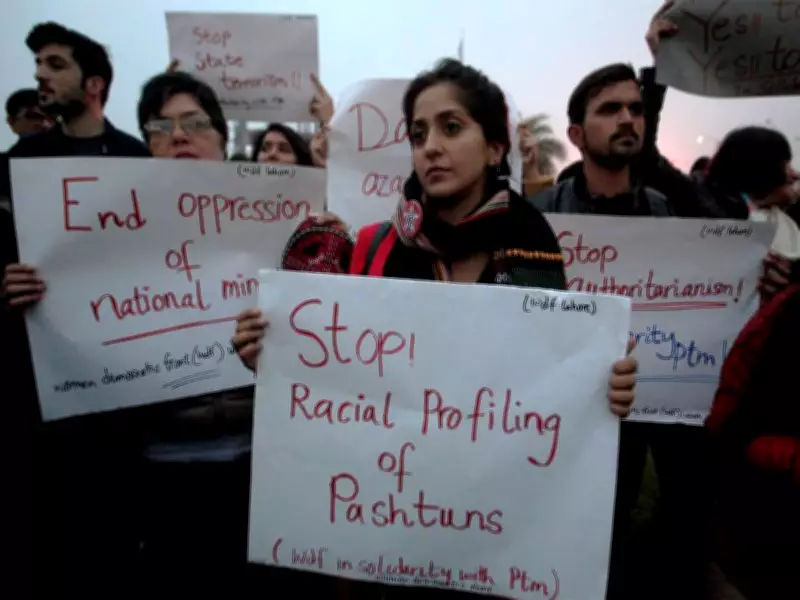
Pashtun Tahaffuz Movement Accuses Pakistan of Enforced Disappearances
The Pashtun Tahaffuz Movement (PTM), a prominent rights group representing the Pashtun ethnic minority in Pakistan, has leveled serious allegations against the Pakistani government, accusing it of engaging in enforced disappearances of activists. In a strongly worded statement, the movement has called for the immediate and unconditional release of all detained Pashtun activists, highlighting a pattern of human rights abuses that has drawn international scrutiny.
Allegations of Systematic Abductions
According to the PTM, numerous Pashtun activists have been forcibly disappeared by state authorities in recent years, with many cases remaining unresolved. The movement asserts that these disappearances are part of a broader strategy to suppress dissent and silence voices advocating for the rights of the Pashtun community, which has long faced marginalization and conflict in regions like Khyber Pakhtunkhwa and Balochistan.
The PTM has documented multiple instances where individuals were taken into custody without due process, often in the dead of night or during peaceful protests, and have not been heard from since. Families of the disappeared have reported being denied information about their loved ones' whereabouts or legal status, exacerbating their anguish and fueling calls for accountability.

Call for International Attention and Action
In its appeal, the Pashtun Tahaffuz Movement has urged the international community, including human rights organizations and foreign governments, to pressure Pakistan to address these grave violations. The movement emphasizes that enforced disappearances violate fundamental human rights, such as the right to life, liberty, and a fair trial, as enshrined in international law.
The PTM's demands include:
- Immediate release of all detained Pashtun activists.
- Transparent investigations into cases of enforced disappearances.
- Prosecution of those responsible for human rights abuses.
- Implementation of safeguards to prevent future incidents.
This call to action comes amid ongoing tensions in Pakistan, where the PTM has been at the forefront of campaigns against extrajudicial killings, discrimination, and military operations in Pashtun-majority areas. The movement's leaders have often faced harassment and legal challenges, with some being arrested on charges that critics deem politically motivated.
Background and Regional Context
The Pashtun Tahaffuz Movement emerged in 2018 following the killing of a Pashtun youth by police, galvanizing widespread support among Pashtuns who have endured decades of conflict, including the war on terror and internal strife. Pakistan has repeatedly denied allegations of enforced disappearances, attributing such cases to law enforcement actions against militants or criminal elements.
However, human rights groups, including Amnesty International and Human Rights Watch, have corroborated the PTM's claims, reporting that enforced disappearances are a persistent issue in Pakistan, affecting not only Pashtuns but also other ethnic and political groups. The situation underscores broader challenges related to governance, security, and ethnic relations in the country.
As the Pashtun Tahaffuz Movement continues its advocacy, the fate of the disappeared activists remains a poignant symbol of the struggle for justice and equality in Pakistan. The movement's latest accusations signal a deepening rift between civil society and state authorities, with potential implications for regional stability and human rights monitoring.






