

Polar Vortex Unleashes Lethal Winter Storm Across United States
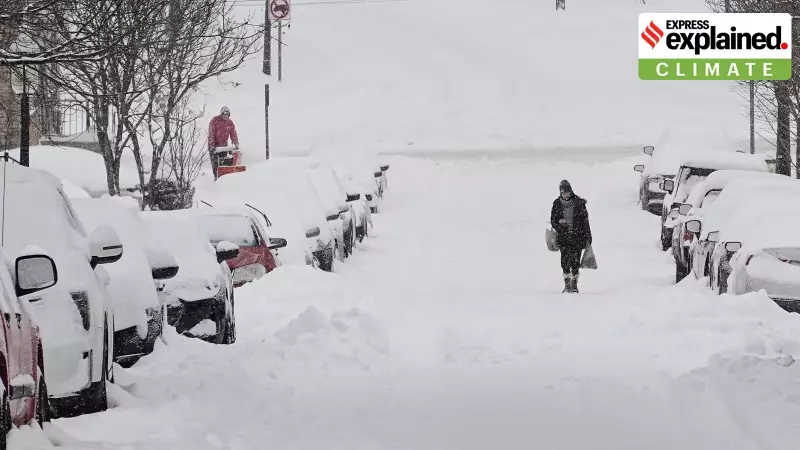
A devastating winter storm, fueled by the southward expansion of the polar vortex, wreaked havoc across the United States on Sunday, January 26. The powerful system triggered heavy snow, sleet, and freezing rain from the Ohio Valley and mid-South regions all the way to New England, resulting in at least seven confirmed fatalities.
Widespread Impact and Severe Conditions
Approximately 17 states experienced significant snowfall, with some areas recording accumulations exceeding one foot. The intense cold strained energy supplies in multiple states, while the National Weather Service issued warnings of widespread and prolonged travel disruptions. According to a Reuters report, an estimated 157 million Americans were cautioned against dangerously cold temperatures, ranging from sub-zero readings along the Canadian border to below-freezing conditions as far south as the Gulf of Mexico.
Understanding the Polar Vortex Phenomenon
The polar vortex is a massive area of low-pressure and cold air that circulates around the Earth's polar regions. It exists in two primary forms:

- Tropospheric Polar Vortex: This occurs in the lowest layer of the atmosphere, extending from the surface up to about 10 to 15 kilometers, where most weather events take place.
- Stratospheric Polar Vortex: Located higher up, between 15 and 50 kilometers, this variant disappears during summer and reaches its peak strength in autumn.
How the Polar Vortex Causes Extreme Cold Events
Regions like the United States, parts of Europe, and Asia experience frigid winds when the polar vortex at the North Pole weakens and shifts from its usual position. As explained by the National Oceanic and Atmospheric Administration (NOAA) SciJinks, "When this system weakens, some of the cold, arctic air can break off and migrate south, bringing plenty of cold air with it. Areas as far south as Florida may experience arctic weather as a result."
This occurs because a strong and stable polar vortex helps maintain the jet stream—a narrow band of strong wind in the upper atmosphere—in a circular path, effectively keeping cold air to the north and warm air to the south. However, when the polar vortex weakens, the jet stream loses its force, becoming wavy and erratic. High-pressure systems can then divert it, allowing cold air to push southward along with the polar vortex system.
Climate Change and Its Potential Influence
Scientists are actively researching the precise impact of climate change on the polar vortex, investigating whether rising global temperatures are causing this low-pressure system to buckle more frequently. Some researchers suggest that as the poles warm at a faster rate than the rest of the planet, both the polar vortex and jet stream are weakening. Warmer temperatures make these systems more susceptible to disruption.
Steven Decker, director of the Meteorology Undergraduate Program at Rutgers University, noted in a February 2024 press statement, "It makes sense that the polar vortex tends not to be as strong due to global warming because the planet isn't warming uniformly. It's warming more at the pole, overall decreasing the strength of the polar vortex and the jet stream and making it more susceptible to being dislodged and sent our way."
This deadly storm underscores the complex interplay between atmospheric phenomena and environmental changes, highlighting the urgent need for continued study and preparedness in the face of extreme weather events.






