

Pune’s Birds Struggle as Urban Heat Threatens Survival
Amplified by concrete buildings, asphalt roads, dense urban infrastructure, and vanishing tree cover, birds are struggling to survive the punishing summer in Pune. Pigeons, house sparrows, crows, mynas, bulbuls, and sunbirds are increasingly seen with beaks open in thirst, drooping wings, and heaving bodies as they search for shade. Many grow disoriented, collapse mid-flight, or remain grounded — too exhausted to move. Dehydration, heat stress, and organ failure are becoming common in a season that stretches longer and hotter each year.
Shift in Bird Activity
The change is stark for bird watchers. “This is a transitional period. Migratory birds have largely left for breeding, while some species are arriving — but the heat is dictating their behaviour,” said Aniruddha Joshi, a resident of Panchvati and an avid bird watcher. Earlier, bird activity would stretch well into mid-morning, till about 10 am to 10:30 am. Now, it is sharply restricted to a narrow window around sunrise until about 7 am, said Joshi, who frequents Vetal Tekdi. Even routine bird watching has become difficult, he added.
“The heat has compressed their active hours. Most birds retreat into dense shade, perching silently to conserve energy by the time the sun is overhead. Food availability is also shifting. Many birds rely on insects, and insect activity depends on a narrow temperature range. Extreme heat disrupts that balance, reducing food sources,” he said.

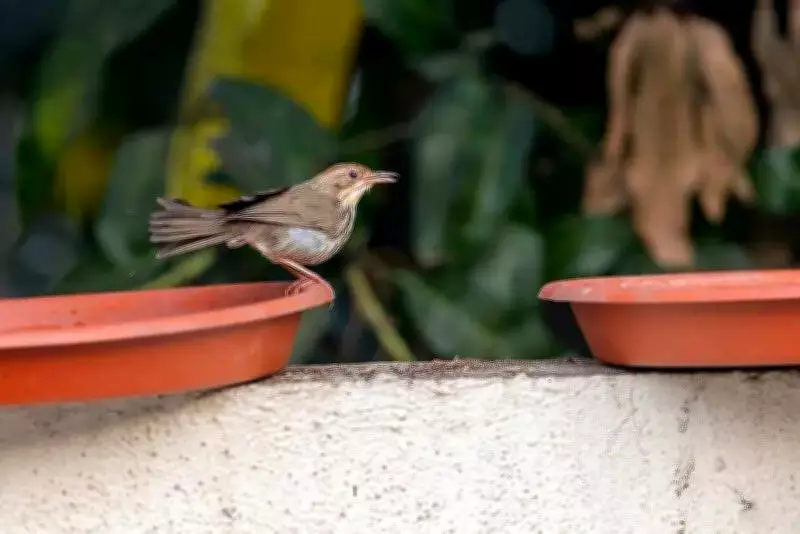
“I keep a water bowl on my terrace, and there is activity around it later in the evening. Bulbuls, crows, and starlings gather for a drink or a quick bath. Even in October, when heat lingers, these water sources remain critical,” said Joshi.
Ecological Impact
Birds play an essential role in maintaining urban biodiversity. Sparrows and bulbuls help regulate insect populations, sunbirds contribute to pollination, and crows and pigeons act as scavengers to prevent waste accumulation. Their decline signals deeper ecological stress that affects not just wildlife, but the health of the city itself.
Rescue Efforts
Rescue groups are seeing the impact firsthand. “Citizens can call ResQ or the forest department helpline if they see a fallen bird,” said Nachiket Utpat from ResQ Charitable Trust. “We receive several rescue calls for injured birds — most being dehydrated and exhausted from the heat.”
Citizen Initiatives
Compassionate citizen efforts are offering some relief to avian life across the city. “We have placed multiple earthen water bowls in our society compound and refill them twice a day,” said Aditi Kulkarni, a resident of Kothrud. “You can actually see the difference. Earlier, we barely noticed birds. Now, they return regularly, especially in the evenings,” she added.
Expert Recommendations
Experts say such interventions are crucial. Shallow water dishes, shaded spaces, and native tree planting can help birds withstand extreme conditions. Without sustained action, Pune risks not just losing birdsong, but unravelling a fragile urban ecosystem already under strain.






