Industrial Waste from Rajasthan Poses Grave Threat to Haryana Locals
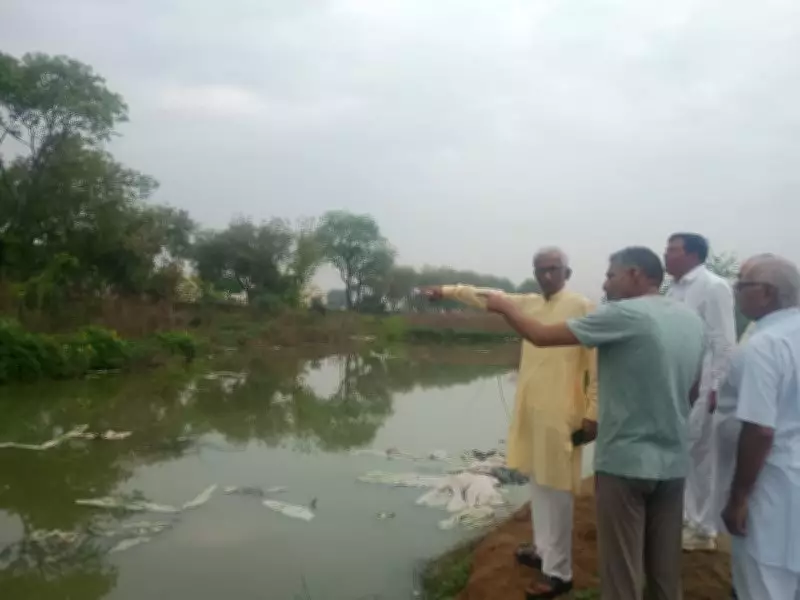
Industrial waste originating from neighboring Rajasthan is creating a significant environmental and public health crisis for communities in Haryana. This cross-border pollution issue has escalated, with hazardous materials seeping into local ecosystems and endangering residents.
Escalating Environmental and Health Concerns
The influx of industrial waste from Rajasthan into Haryana has intensified, leading to widespread contamination of soil and water sources. Local authorities report that toxic substances from manufacturing units in Rajasthan are being improperly disposed of, often finding their way into Haryana's agricultural lands and residential areas. This has sparked fears among residents about long-term health implications, including respiratory problems, skin ailments, and potential carcinogenic effects.
Experts warn that the situation could deteriorate further if immediate action is not taken. The waste includes chemicals, heavy metals, and other pollutants that can persist in the environment for years, causing irreversible damage to biodiversity and human health.

Impact on Local Communities and Agriculture
Farmers in Haryana are particularly affected, as contaminated water and soil threaten crop yields and livestock health. Many have reported reduced agricultural productivity and increased incidents of livestock diseases, which could have severe economic repercussions for the region. The lack of effective waste management protocols in Rajasthan is exacerbating the problem, with waste often dumped near border areas without proper treatment.
Residents have voiced their concerns through protests and petitions, demanding stricter enforcement of environmental regulations and better coordination between the two states. They argue that the current measures are insufficient to prevent the ongoing pollution.
Call for Government Intervention and Solutions
Environmental activists and local leaders are urging both the Haryana and Rajasthan governments to collaborate on a comprehensive waste management strategy. Key recommendations include:
- Implementing stricter monitoring of industrial units in Rajasthan to ensure compliance with waste disposal standards.
- Establishing joint task forces to address cross-border pollution issues promptly.
- Investing in advanced waste treatment facilities to mitigate environmental damage.
- Conducting regular health screenings for affected communities in Haryana.
Officials from Haryana have acknowledged the issue and are reportedly in talks with their Rajasthan counterparts to find a sustainable solution. However, progress has been slow, leaving many locals anxious about the future.
This situation highlights the broader challenges of industrial pollution in India, where rapid industrialization often outpaces environmental safeguards. As the threat from Rajasthan's waste continues to loom, it serves as a stark reminder of the need for stronger inter-state cooperation and proactive environmental policies to protect vulnerable communities and ecosystems.