

BNHS Rewilding Initiatives Attract Rare Vultures to Maharashtra
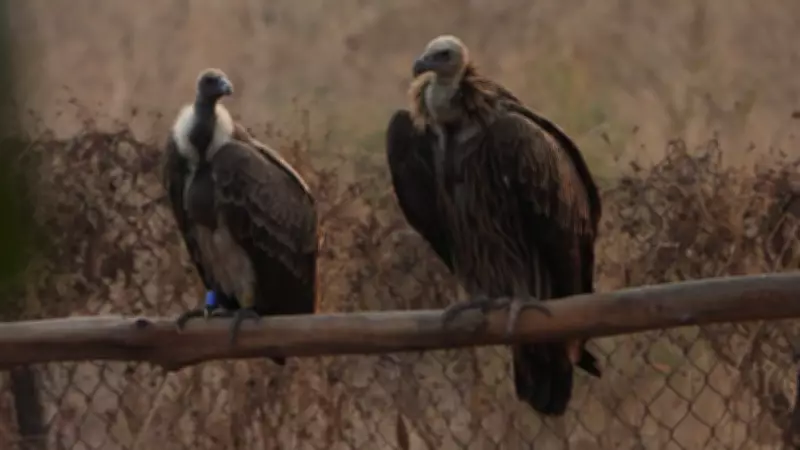
In a significant development for wildlife conservation in India, the Bombay Natural History Society (BNHS) has reported remarkable success with its rewilding programs. The organization's dedicated efforts have led to the recent sightings of two rare vulture species in the state of Maharashtra, marking a positive turn in the fight to protect these critically important birds.
Dual Sightings Signal Conservation Progress
According to recent observations confirmed by BNHS officials, a Himalayan Griffon Vulture was spotted in the Melghat region of Maharashtra. This sighting was quickly followed by another exciting discovery: an Eurasian Griffon Vulture was observed within the Tadoba-Andhari Tiger Reserve located in Chandrapur district.
These dual sightings represent more than just rare bird observations; they serve as tangible evidence that conservation strategies are working. The Himalayan Griffon Vulture, scientifically known as Gyps himalayensis, is typically found in the higher altitudes of the Himalayas, making its appearance in Maharashtra particularly noteworthy.

Understanding the BNHS Rewilding Strategy
The Bombay Natural History Society has been implementing comprehensive rewilding initiatives across multiple regions in India. Their approach focuses on several key areas:
- Habitat restoration and protection of nesting sites
- Reduction of threats from veterinary drugs harmful to vultures
- Community engagement and awareness programs
- Monitoring and research to track population recovery
Rewilding involves restoring ecosystems to their natural state and reintroducing species that have disappeared from certain areas. For vultures, this means creating safe environments where they can thrive without facing the threats that caused their dramatic population declines in recent decades.
The Critical Role of Vultures in Ecosystems
Vultures play an indispensable role in maintaining ecological balance. As nature's cleanup crew, they perform several vital functions:
- They efficiently dispose of animal carcasses, preventing the spread of diseases
- They help control populations of feral dogs and other scavengers
- They contribute to nutrient cycling within ecosystems
- They serve as indicators of environmental health
The decline of vulture populations across South Asia, primarily due to diclofenac poisoning from livestock carcasses, created significant ecological problems. The BNHS initiatives aim to reverse this trend through targeted conservation measures.
Geographical Significance of the Sightings
The locations where these vultures were spotted hold particular importance for conservation efforts. Melghat, known for its rich biodiversity and tiger reserve, provides an ideal habitat for various wildlife species. Similarly, the Tadoba-Andhari Tiger Reserve in Chandrapur district represents one of India's premier tiger conservation areas.
The presence of these vultures in protected tiger reserves suggests that these areas are maintaining healthy ecosystems capable of supporting diverse wildlife populations. This creates a positive feedback loop where conservation efforts for one species benefit multiple others within the same habitat.
Future Implications and Conservation Outlook
These recent sightings offer encouraging signs for the future of vulture conservation in India. The BNHS continues to expand its rewilding programs, with plans to:
- Establish additional vulture safe zones across Maharashtra
- Enhance monitoring and research capabilities
- Strengthen partnerships with local communities and government agencies
- Develop more comprehensive conservation strategies based on research findings
As these efforts continue, wildlife experts remain cautiously optimistic about the potential for vulture populations to recover across their historical ranges. The sightings in Maharashtra serve as both validation of current strategies and motivation for expanded conservation initiatives throughout India.

The successful attraction of these rare vultures to Maharashtra demonstrates that with sustained effort and proper conservation measures, it is possible to reverse wildlife declines and restore ecological balance. The BNHS rewilding programs represent a model that could potentially be replicated for other endangered species across different regions of India.





