

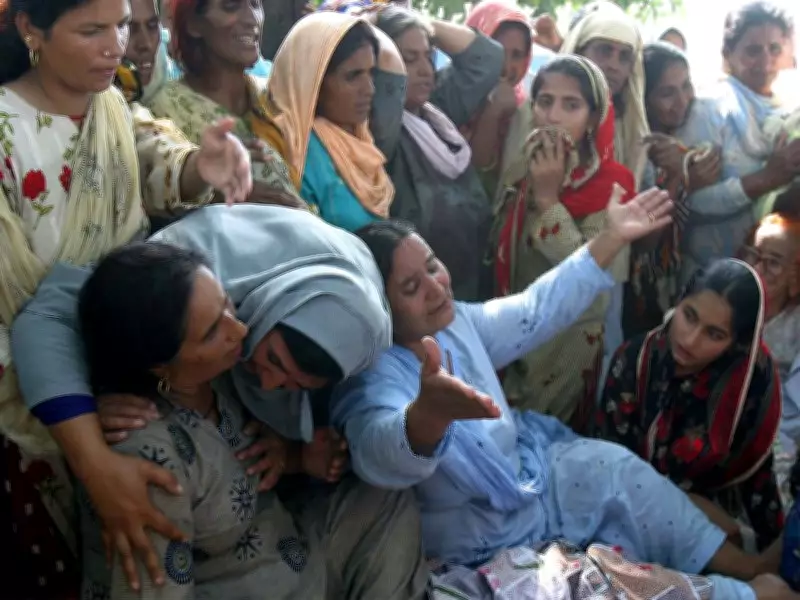
Human Rights Report Criticizes Pakistan's Failure to Protect Women in Khyber Pakhtunkhwa
A recent human rights report has exposed significant failures by Pakistan in protecting women in the Khyber Pakhtunkhwa province, highlighting systemic issues and a rise in violence against women. The report, released by a prominent rights organization, underscores the urgent need for improved legal and social measures to safeguard women's rights in the region.
Systemic Failures and Rising Violence
The report details how Pakistan's government has failed to implement effective policies to protect women in Khyber Pakhtunkhwa, leading to increased incidents of violence and discrimination. It points to a lack of enforcement of existing laws, inadequate support services for victims, and cultural barriers that hinder women's access to justice. These systemic failures have resulted in a concerning trend of abuse and neglect, with many cases going unreported or unaddressed by authorities.
Key Findings and Recommendations
Among the key findings, the report notes that women in Khyber Pakhtunkhwa face high risks of domestic violence, honor killings, and forced marriages. It criticizes the slow judicial processes and insufficient protection mechanisms, which leave victims vulnerable. The report calls for immediate action, including:

- Strengthening legal frameworks to ensure swift justice for victims.
- Enhancing support systems such as shelters and counseling services.
- Promoting awareness campaigns to challenge harmful cultural norms.
These recommendations aim to address the gaps in Pakistan's approach to women's protection and foster a safer environment for women in the province.
Broader Implications for Human Rights
The report's revelations have broader implications for human rights in Pakistan, raising questions about the government's commitment to gender equality and safety. It aligns with global concerns over women's rights in conflict-affected regions, emphasizing the need for international attention and cooperation. This failure to protect women not only violates basic human rights but also undermines social stability and development in Khyber Pakhtunkhwa.
In conclusion, the human rights report serves as a stark reminder of the challenges faced by women in Pakistan and the urgent need for comprehensive reforms. By addressing these issues, Pakistan can work towards a more just and equitable society for all its citizens.






