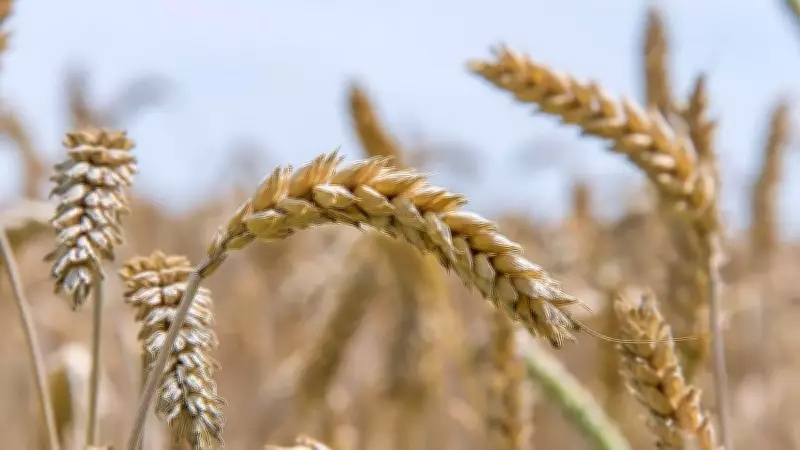
Rising winter temperatures are posing a significant threat to India's wheat bowl, sparking renewed concerns over food security, researchers have warned. One of the most alarming trends observed is the rapid increase in minimum temperatures across all major wheat-growing states, with nights warming at a faster rate than days.
Impact on Wheat Yield
Wheat is highly sensitive to temperature changes, particularly during the grain-filling stage. Warmer nights can reduce grain weight and overall yield, potentially undermining the country's ability to meet domestic demand and maintain buffer stocks. India is the world's second-largest wheat producer, and any shortfall could have ripple effects on global food prices.
Regional Variations
States such as Punjab, Haryana, Uttar Pradesh, and Madhya Pradesh, which together account for the bulk of India's wheat output, are experiencing the most pronounced warming trends. Researchers note that the rate of nighttime warming is accelerating, exacerbating the stress on crops.

Food Security Concerns
The findings come at a time when India is already grappling with inflationary pressures on food items. A sustained decline in wheat production could force the government to increase imports or draw down strategic reserves, affecting millions of farmers and consumers.
Adaptation Strategies
Agricultural scientists are urging the development of heat-tolerant wheat varieties and better agronomic practices, such as adjusting sowing dates and improving irrigation efficiency. Policymakers are also being called upon to integrate climate resilience into agricultural planning.
The study underscores the urgent need for action to safeguard India's food security in the face of accelerating climate change.