

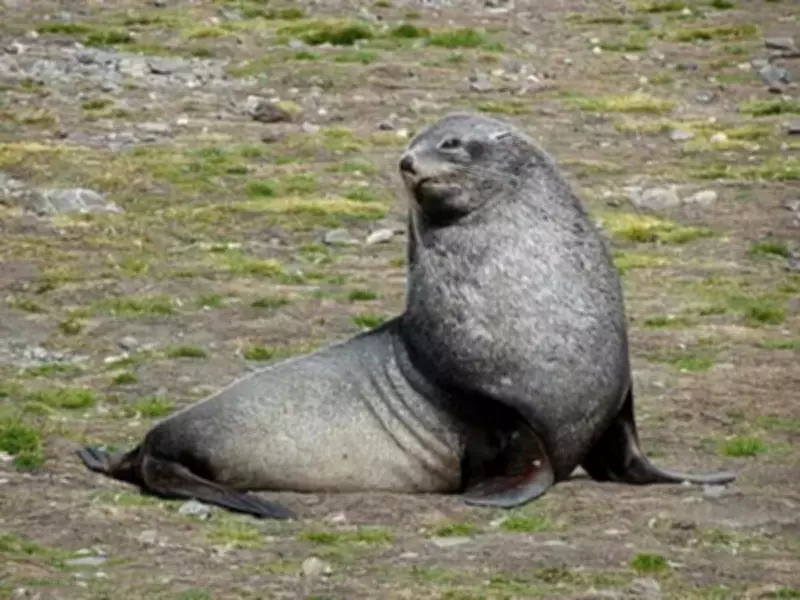
The Ross Seal: Antarctica's Electronic Music Maestro
Beneath the vast, silent ice sheets of Antarctica, an extraordinary performer thrives in the frigid darkness. The Ross seal, one of the planet's rarest and least studied marine mammals, generates vocalizations so unique that researchers often describe them as sounding like "science fiction" sound effects or "electronic music." Unlike the typical barks and growls of other seal species, this enigmatic creature produces a symphony of "zap zap" noises reminiscent of laser beams, alongside melodic singing and trilling sounds.
Documenting the Seal's Sonic Signature
For decades, polar exploration initiatives led by organizations such as the National Science Foundation and the British Antarctic Survey have meticulously recorded the Ross seal's distinctive vocal repertoire. Early audio captures revealed a diverse array of sounds, including whistles, chirps, and siren-like tones. Scientific literature, including studies like "Underwater soundscape in Seaview Bay, Antarctica, and triple ascending trill of the leopard seal," highlights that such varied vocalizations likely evolved as essential tools for effective communication in the turbid, ice-covered waters of the Antarctic.
One notable research paper characterizes the Ross seal's calls as "highly structured sequences that resemble artificially generated tones," underscoring their unique acoustic properties. These sounds are not merely random noises but complex signals that play a crucial role in the seal's survival and social interactions.

The Science Behind the Synthesiser-Like Sounds
The synthesiser-like quality of the Ross seal's vocalizations is far from accidental. In the polar regions, sound travels exceptionally long distances through water without distortion, making acoustic communication highly efficient. The Ross seal's anatomical adaptations allow it to produce rapid frequency modulations, similar to the electronic oscillations used in music production for sound effects.
These vocalizations likely serve multiple purposes: they may act as identification signals between individuals scattered across expansive ice fields, and their rhythmic patterns could facilitate communication during mating rituals. As one marine biologist explains, "acoustic signalling in ice-covered waters is vital for both survival and reproduction," emphasizing the evolutionary significance of these sounds.
Broader Implications for Climate and Conservation
Studying the Ross seal's vocalizations extends beyond mere curiosity; it provides valuable insights into how species adapt to extreme environmental conditions. With Antarctica experiencing rapid changes due to global warming, research on species like the Ross seal helps scientists better understand the current and future dynamics of polar ecosystems.
Monitoring the acoustic features of Ross seals can serve as an indicator of environmental shifts, offering a non-invasive method to track climate change impacts. This knowledge is crucial for developing conservation strategies to protect Antarctica's fragile marine life.
In an era where nature continues to astonish with its diversity, the Ross seal stands out as a remarkable example of adaptation. Its otherworldly songs, more akin to outer space than the icy Antarctic, remind us of the wonders hidden beneath the ice and the importance of preserving these unique habitats for future generations.






