

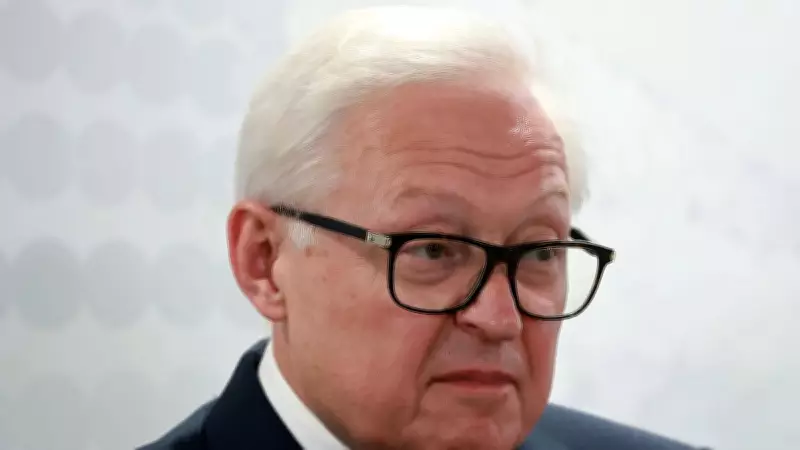
In a significant development that could reshape global security dynamics, a senior Russian diplomat has declared that Russia is prepared for a new world order without nuclear limitations. This statement comes as the landmark New Strategic Arms Reduction Treaty (New START) is set to expire on Thursday, potentially leaving both Russia and the United States without any formal constraints on their long-range strategic nuclear arsenals for the first time in over half a century.
Imminent Expiration of Nuclear Treaty
The New START treaty, which has served as a cornerstone of nuclear arms control between the world's two largest nuclear powers since its implementation in 2011, is approaching its expiration date with no clear extension or replacement agreement in sight. Unless the two nations reach a last-minute diplomatic understanding, this Thursday will mark the end of the last major bilateral nuclear arms control agreement between Russia and the United States.
Historical Context and Current Stance
For more than fifty years, various arms control agreements have governed the strategic nuclear capabilities of both nations, creating a framework of mutual limitations and verification mechanisms. The senior Russian diplomat's statement represents a stark departure from this historical precedent, signaling Moscow's willingness to operate in a new strategic environment where nuclear arsenals face no bilateral constraints.

The expiration of New START would eliminate:
- Limits on deployed strategic nuclear warheads
- Restrictions on deployed delivery systems including intercontinental ballistic missiles, submarine-launched ballistic missiles, and heavy bombers
- Comprehensive verification and inspection regimes that have provided transparency between the nuclear powers
Global Security Implications
This development raises profound questions about the future of global nuclear stability and non-proliferation efforts. Without the treaty's framework, both nations could theoretically expand their strategic nuclear arsenals without formal limitations, potentially triggering a new arms race and creating uncertainty for other nuclear-armed states and non-nuclear nations alike.
Diplomatic Efforts and Last-Minute Possibilities
While the Russian statement suggests preparedness for a post-treaty world, diplomatic channels remain open for potential last-minute negotiations. The international community is closely monitoring whether the two sides can bridge their differences before the Thursday deadline to preserve some form of nuclear arms control architecture.
The situation represents one of the most significant challenges to nuclear arms control since the end of the Cold War, with implications extending far beyond bilateral relations to affect global security architecture and non-proliferation norms worldwide.






