

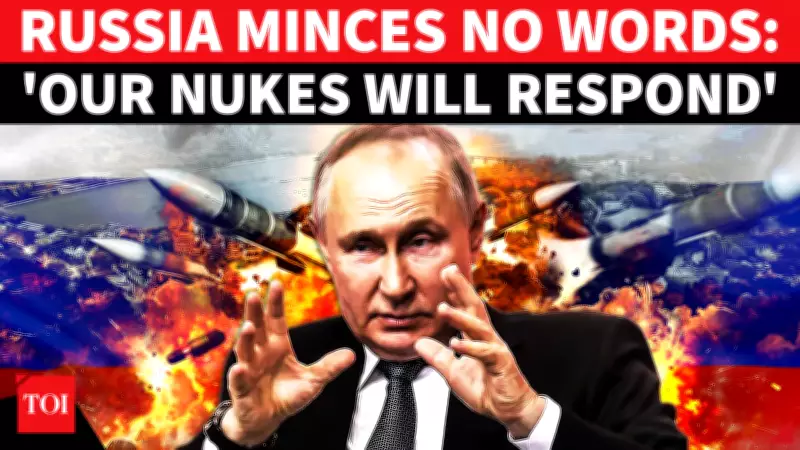
Russia Openly Threatens NATO Member Estonia With Nuclear Weapons
The Kremlin has issued a stark nuclear warning against Estonia, a member of the North Atlantic Treaty Organization (NATO), stating that it would target the Baltic nation with nuclear weapons if nuclear arms aimed at Russia are deployed on Estonian soil. This direct threat from Moscow marks a significant escalation in the ongoing geopolitical tensions between Russia and the Western military alliance.
Kremlin's Stern Warning on Nuclear Deterrence
Russian spokesperson Dmitry Peskov emphasized that Moscow will always take necessary actions to ensure its national security, particularly in matters related to nuclear deterrence. "Bear in mind, our nukes..." Peskov stated, underscoring the seriousness of the Kremlin's position. This statement comes amid heightened concerns over nuclear brinkmanship in Europe, as Russia and NATO continue to engage in a war of words and military posturing.
Background: NATO's Military Buildup in Eastern Europe
The nuclear threat follows claims by Russian General Sergei Rudskoy, who alleged that NATO is actively reinforcing its forces and upgrading military infrastructure in Eastern Europe. According to Rudskoy, these actions are part of a broader strategy to encircle and pressure Russia, prompting Moscow to respond with strong deterrent measures.

- NATO has been strengthening its presence in member states bordering Russia, including Estonia, Latvia, and Poland.
- Military exercises and infrastructure upgrades have intensified in response to perceived Russian aggression.
- Russia views these moves as provocative and a direct threat to its security interests.
Implications for NATO and Regional Security
The explicit nuclear warning raises critical questions about the future of NATO's strategy and regional stability in Europe. Analysts warn that such rhetoric could lead to a dangerous escalation, potentially reigniting Cold War-era tensions. Key considerations include:
- NATO's Response: How will the alliance address Russia's threats while maintaining cohesion among its members?
- Estonia's Security: As a small NATO member, Estonia faces heightened risks and may seek additional assurances from allies.
- Global Geopolitics: This development could influence international relations, particularly with the United States and other major powers involved in European security.
As fears of renewed nuclear brinkmanship grow, the situation underscores the fragile balance of power in Europe. The international community is closely monitoring the Kremlin's next moves and NATO's countermeasures, with regional security hanging in the balance.






