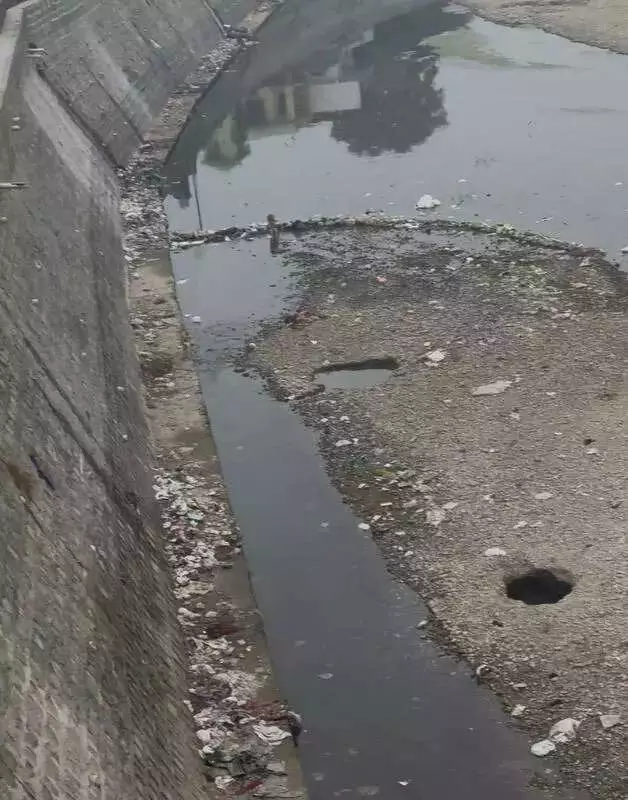
A disturbing video circulating on social media has triggered serious concerns about water safety in Uttarakhand's Pauri district. The footage appears to show untreated water being directly discharged into the Khoh river, a vital water source for local communities and wildlife.
Official Response and Infrastructure Gaps
Reacting to the outcry, Abhishek Verma, the Executive Engineer of Pauri Jal Sansthan, acknowledged the issue. He stated that while approximately 30% of houses in Kotdwar are connected to the sewer farm, the remaining households rely on soak pits. Verma pointed out that some residents independently divert their wastewater towards the river. He assured that the matter would be investigated and the culprits penalized.
However, residents like Ajay Kukreja from Kotdwar allege systemic failure. He claims that despite around 30,000 houses in the town having drinking water connections, none of the household sewage undergoes scientific treatment. In response, officials highlighted that a sewage treatment plant with a 2.5 million litres per day capacity is under construction near Delhi Farm to address the problem.

A Persistent Problem Across Doon Valley
The anxiety is not confined to Pauri. Residents of the Doon valley have also raised alarms over contamination in the Suswa, Rispana, and Bindal rivers. This concern is backed by long-term scientific data.
Brij Mohan Sharma, founder of the Dehradun-based Society of Pollution and Environmental Conservation Scientists (SPECS), provided a grim analysis based on 30 years of research. He revealed that at more than a dozen locations in and around the Doon valley, rivers consistently show the presence of faecal coliform bacteria between April and September each year.
"Studies conducted by SPECS since 1990 clearly show that this is a long-standing and persistent problem," Sharma told TOI. "The same sites are found contaminated with faecal coliform every year, indicating that no permanent solution has been implemented so far." This pattern points directly to chronic and inadequate sewage management.
Health Implications and Public Alarm
The viral video and the SPECS findings have amplified fears amidst rising cases of water contamination-related health issues reported from various states. The contamination of these rivers poses a direct threat to public health and local ecosystems, as communities depend on these water sources for daily needs.
The situation underscores a critical infrastructure gap. While authorities point to ongoing projects and promise punitive action, the decades-old data from SPECS suggests that piecemeal measures have failed. The need for a comprehensive, scientifically robust, and permanent sewage treatment solution across Uttarakhand's districts is now more urgent than ever to safeguard water security and public health.