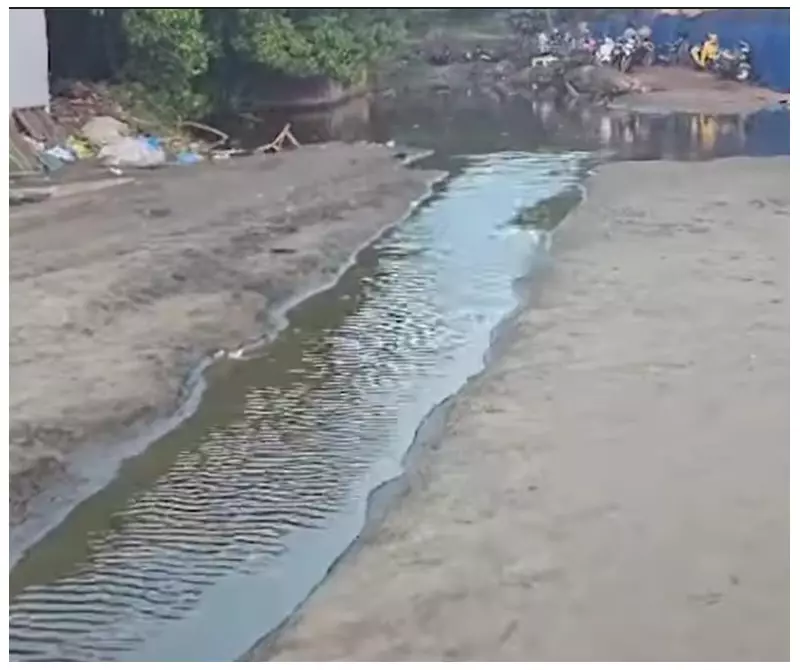
Environmental activists in Mapusa voiced serious concerns on Monday about escalating pollution along the Morjim-Ashvem coastal belt. They highlighted the rampant discharge of sewage into the sea, which poses a severe threat to the delicate local ecosystem.
Raw Sewage Flowing Directly Into the Sea
During a site inspection, activists alleged that several hotel and resort operators are flushing raw sewage directly into coastal waters. This unchecked dumping is creating a hazardous environment for marine life and beachgoers alike.
Olive Ridley Turtles at Immediate Risk
The activists emphasized that olive ridley turtles face particular danger from this pollution. Beyond contaminated water, late-night noise and excessive artificial lighting from beachfront establishments are disrupting their natural nesting process.

"While this stretch is officially a silent zone for conservation, the reality on the ground tells a different story," one activist explained. "Light and sound pollution are reportedly driving nesting turtles away from their traditional shores."
Health Department Launches Investigation
Following persistent complaints from local residents about foul odors and contaminated water in the Gawdewada area, health authorities initiated their own inspection. Tuem health center officer Anil Humraskar and Morjim sarpanch Vilas Morje visited affected sites where ditches had been dug to divert wastewater.
Sarpanch Morje acknowledged that some water stagnancy resulted from a traditional gate and accumulated organic waste. However, he confirmed that inadequate drainage systems have led to garbage being dumped directly into local streams.
Coastal Area Now Under Health Scanner
Health officials have placed the entire coastal stretch under what they term a "health scanner." Comprehensive water testing is expected to determine the full extent of contamination. These tests will provide crucial data about pollution levels affecting both marine life and human health.
The situation highlights growing tensions between coastal development and environmental protection in popular tourist areas. Activists continue monitoring the coastline while awaiting official test results that could prompt stronger regulatory action.