

Sri Lankan Navy Apprehends 12 Indian Fishermen for Alleged Poaching
The Sri Lankan Navy has taken into custody 12 Indian fishermen on charges of illegal fishing in Sri Lankan territorial waters. The incident, which occurred recently, has escalated tensions in the region over maritime boundaries and fishing rights.
Details of the Arrest and Seizure
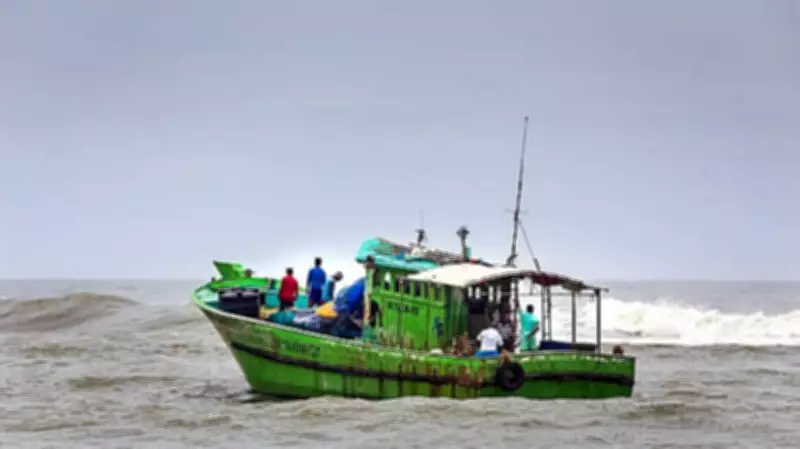
According to official reports, the Sri Lankan naval forces intercepted an Indian fishing vessel that was allegedly operating within Sri Lanka's exclusive economic zone without proper authorization. The navy personnel conducted the operation and detained all 12 fishermen on board. In addition to the arrests, the fishing boat was also confiscated as evidence of the purported poaching activity.
The seized vessel and the detained individuals were subsequently handed over to the Fisheries Inspector of Dikovita, a coastal town in Sri Lanka. This transfer marks the beginning of formal legal proceedings against the fishermen, who now face potential charges under Sri Lankan law for violating fishing regulations.

Legal Proceedings and Regional Implications
The case has been forwarded to the appropriate legal authorities in Sri Lanka for further investigation and prosecution. The Fisheries Inspector will oversee the initial stages of the process, which may include:
- Documenting the evidence from the seized boat
- Interviewing the arrested fishermen
- Preparing charges based on Sri Lankan maritime laws
This incident highlights the ongoing disputes between India and Sri Lanka over fishing rights in the Palk Strait and surrounding waters. Both nations have experienced similar confrontations in the past, often leading to diplomatic discussions aimed at resolving boundary issues and preventing such arrests.
The arrest of Indian fishermen by Sri Lankan authorities is not an isolated event but part of a broader pattern of maritime conflicts in the region. These incidents frequently spark concerns about the livelihoods of fishing communities and the enforcement of international maritime laws.
Background and Context
Fishing disputes between India and Sri Lanka have been a recurring issue due to the close proximity of their coastal regions. The Palk Strait, which separates the two countries, is a rich fishing ground, leading to occasional incursions by fishermen from both sides. Sri Lanka has strict regulations to protect its marine resources, and the navy regularly patrols the area to prevent illegal fishing activities.
The current case underscores the challenges in managing shared maritime resources and the need for bilateral agreements to address such conflicts. As legal proceedings move forward, the outcome may influence future interactions between the two nations regarding fishing rights and border security.






