Strait of Hormuz Crisis: Only 6-7 Daily Transits, 1,900 Ships Stranded
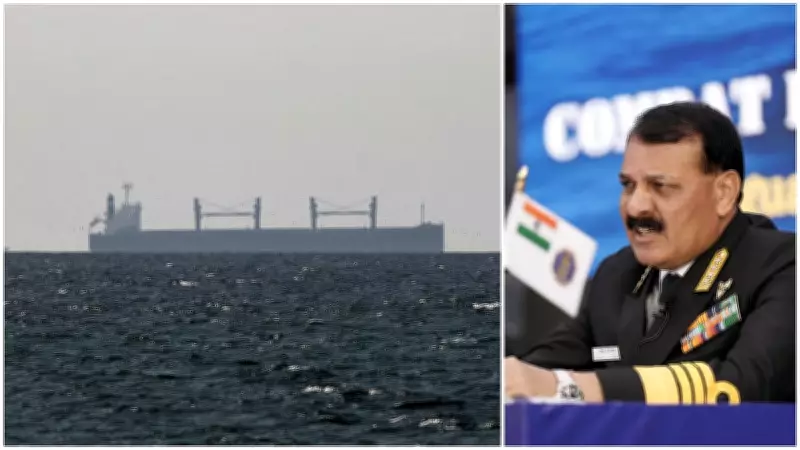
The Indian Navy Chief has revealed alarming statistics regarding the ongoing West Asia crisis, stating that the Strait of Hormuz is experiencing a drastic reduction in maritime traffic. According to the latest reports, only 6 to 7 transits are occurring per day in this critical waterway, a significant drop from normal operations. This bottleneck has resulted in approximately 1,900 ships being stranded, unable to navigate through the region due to heightened tensions and security concerns.
Indian Navy's Active Protection Measures
In response to this escalating situation, the India Navy has stepped up its efforts to ensure the safety of commercial shipping. The Navy is providing active protection and escort services to merchant vessels and tankers, particularly those carrying essential commodities such as crude oil and liquefied petroleum gas (LPG). These services are initiated once the ships exit the Strait of Hormuz, aiming to safeguard them from potential threats in the volatile West Asian waters.
The Navy's role has become increasingly crucial as the crisis deepens, with the reduced transit numbers highlighting the severe impact on global trade routes. The Strait of Hormuz is a vital chokepoint for oil shipments, and any disruption here can have far-reaching consequences for energy markets and international economies.

As of April 1, 2026, the situation remains tense, with the Indian Navy continuing its vigilant patrols and support operations. The stranded ships represent a significant logistical challenge, and efforts are underway to manage the congestion while ensuring the security of all vessels involved.