

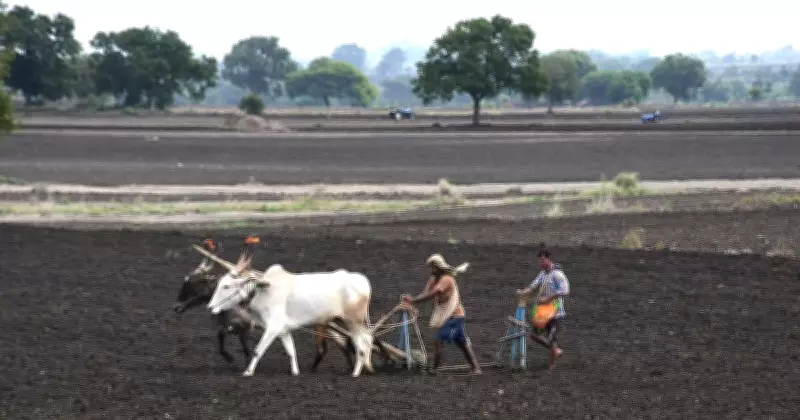
Groundbreaking Study Endorses Carbon Credit System for Karnataka's Agricultural Sector
A significant research initiative has provided robust evidence supporting the implementation of carbon credit programs for farmers in Karnataka. The study, which meticulously analyzed data from the period spanning 2014 to 2020, offers compelling findings that highlight the tangible benefits of sustainable farming practices when integrated with carbon credit mechanisms.
Key Findings from the 2014-2020 Research Period
The investigation documented multiple positive outcomes reported by participating farmers across Karnataka. These benefits directly correlate with the adoption of environmentally conscious agricultural techniques, which are often incentivized through carbon credit frameworks.
- Reduction in Fertilizer Usage: Farmers experienced a noticeable decrease in the application of chemical fertilizers, contributing to lower input costs and reduced environmental runoff.
- Savings on Pesticide Costs: The study recorded significant financial savings due to diminished reliance on expensive pesticides, enhancing farm profitability.
- Efficient Water Use: Improved irrigation practices led to more efficient water consumption, addressing critical water scarcity issues in the region.
- Increase in Yield: Contrary to conventional assumptions, sustainable methods resulted in higher crop yields, demonstrating that eco-friendly farming can boost productivity.
Implications for Sustainable Agriculture and Climate Policy
This research underscores the potential of carbon credits to drive a dual benefit: economic gains for farmers and environmental conservation. By monetizing carbon sequestration and emission reductions, such programs can motivate widespread adoption of sustainable practices.

The findings align with global efforts to combat climate change while supporting rural livelihoods. Policymakers and agricultural stakeholders in Karnataka may leverage this data to design and expand carbon credit initiatives, ensuring they are tailored to local conditions and farmer needs.
As the world grapples with food security and climate challenges, studies like this provide a roadmap for integrating ecological sustainability with agricultural economics, positioning Karnataka as a potential leader in climate-smart farming innovations.






