

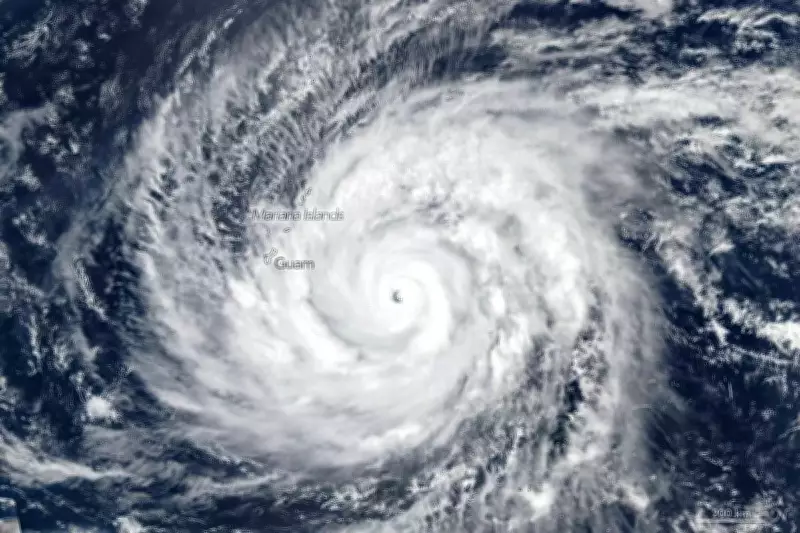
Super Typhoon Sinlaku: A Meteorological Phenomenon of Global Significance
The Super Typhoon Sinlaku has garnered extensive international attention, recognized as one of the most powerful tropical weather systems observed in recent times. This typhoon is distinguished by its swift formation under optimal conditions, enabling it to escalate rapidly into a super typhoon. Characterized by intense winds, heavy precipitation, and widespread adverse effects, Sinlaku has become a crucial focus for scientific investigation among meteorologists and climate experts worldwide.
Understanding Super Typhoon Sinlaku and Its Rapid Development
This super typhoon underwent what experts term rapid intensification. According to the American Meteorological Society, rapid intensification of tropical cyclones lacks a universal definition but is typically described as a wind speed increase of approximately 30 knots over 24 hours. This process occurs when environmental factors align perfectly, leading to a sudden acceleration in storm winds.
The National Oceanic and Atmospheric Administration (NOAA) emphasizes that warm ocean waters, exceeding 28°C, serve as fuel for tropical cyclones, facilitating quick intensification when atmospheric conditions are favorable. Sinlaku exemplifies this, with satellite imagery revealing a well-defined eye encircled by dense cloud formations and thunderstorms, showcasing its formidable structure.

Impacts, Risks, and Essential Preparedness Measures
The Joint Typhoon Warning Centre (JTWC) issued alerts, while NASA released images captured by the VIIRS instrument on the Suomi NPP satellite, highlighting the storm's scale. Damage from Super Typhoon Sinlaku extends beyond high winds to include floods and landslides triggered by torrential rains, particularly in mountainous and coastal regions. Storm surges pose significant threats, often devastating low-lying areas.
Preparedness is paramount in mitigating natural disaster impacts. Governments commonly advise:
- Evacuating hazardous coastal zones
- Reinforcing buildings and infrastructure
- Stockpiling essential supplies
The World Meteorological Organization (WMO) underscores the value of Early Warning Systems, stating that timely forecasts and warnings are vital for saving lives and reducing economic losses from tropical cyclones. Sinlaku underscores the necessity for effective and prompt meteorological predictions.
Climate Change and the Future Trajectory of Super Typhoons
Super Typhoon Sinlaku raises critical questions about climate change's influence on storm intensity. Research from the Department of Atmospheric Sciences at the University of North Dakota, in a study titled Tropical Cyclones and Climate Change, suggests that while tropical cyclone frequency may remain stable, their intensity is projected to rise significantly. As global temperatures increase, the occurrence of intense tropical cyclones like Sinlaku is expected to grow.
Warmer oceans and shifting atmospheric patterns create conducive environments for storms to gain strength rapidly and reach higher intensities. This trend points to a future where such extreme weather events could become more common and severe.
In summary, Super Typhoon Sinlaku not only represents a powerful natural force but also serves as evidence of nature's escalating strength amid changing climatic conditions. Continued study of these phenomena will yield valuable insights, enhancing our ability to manage and adapt to future challenges.






