

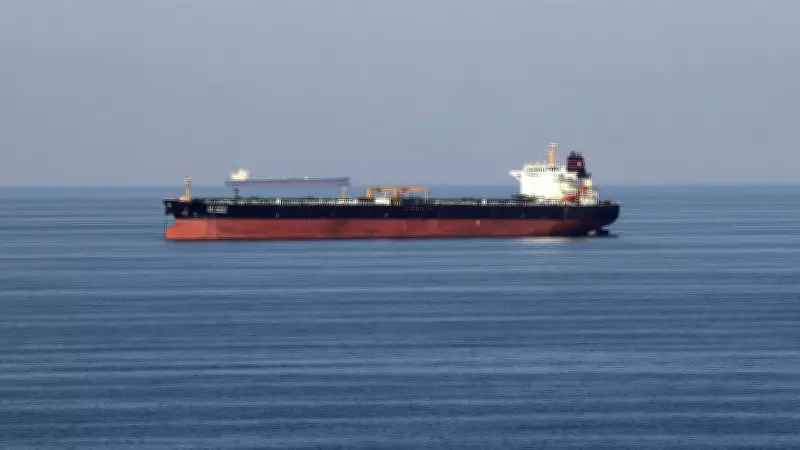
Tankers Transit Strait of Hormuz Despite US Naval Blockade
On the first day of a newly imposed United States-led naval blockade, commercial tankers were observed passing through the strategically crucial Strait of Hormuz. This development underscores the persistent maritime activity in one of the world's most vital oil shipping corridors, even amid heightened geopolitical tensions and security measures.
Details of the Blockade and Maritime Movements
The blockade, initiated by US naval forces, aims to enforce stricter controls and surveillance over the strait, a narrow chokepoint through which approximately one-fifth of the global oil supply transits. Despite these efforts, reports indicate that multiple tankers, including those carrying crude oil and liquefied natural gas, navigated the waterway without immediate disruption. This suggests that initial enforcement may be focused on monitoring rather than halting traffic, though the situation remains fluid and subject to escalation.
Key aspects of the blockade include:

- Enhanced naval patrols by US and allied vessels to deter potential threats.
- Increased scrutiny of shipping manifests and compliance with international regulations.
- Diplomatic pressures on regional actors to ensure safe passage and prevent conflicts.
Implications for Global Oil Markets and Security
The continued transit of tankers through the Strait of Hormuz on the blockade's first day has significant ramifications for global energy security and economic stability. Any prolonged disruption in this corridor could lead to spikes in oil prices, supply chain bottlenecks, and heightened risks for shipping companies. Analysts note that the US action is likely a response to ongoing regional instabilities, including threats from non-state actors and geopolitical rivalries, which have previously caused volatility in the area.
Potential outcomes include:
- Short-term market jitters as traders assess the blockade's effectiveness and duration.
- Increased insurance premiums for vessels operating in the region due to perceived risks.
- Diplomatic fallout with countries reliant on Hormuz shipments, potentially straining international relations.
Regional and International Reactions
Reactions to the US blockade have been mixed, with some nations expressing support for enhanced maritime security, while others criticize it as an overreach that could exacerbate tensions. Regional powers, including Iran and Gulf states, are closely monitoring the situation, given their economic dependence on the strait. The international community is urging caution to avoid miscalculations that might lead to confrontations, emphasizing the need for dialogue and cooperative security measures.
In summary, the passage of tankers through the Strait of Hormuz on the first day of the US blockade highlights the complex interplay between security initiatives and commercial imperatives in a critical global chokepoint. As developments unfold, stakeholders worldwide will be watching closely for impacts on trade, energy flows, and regional stability.






