

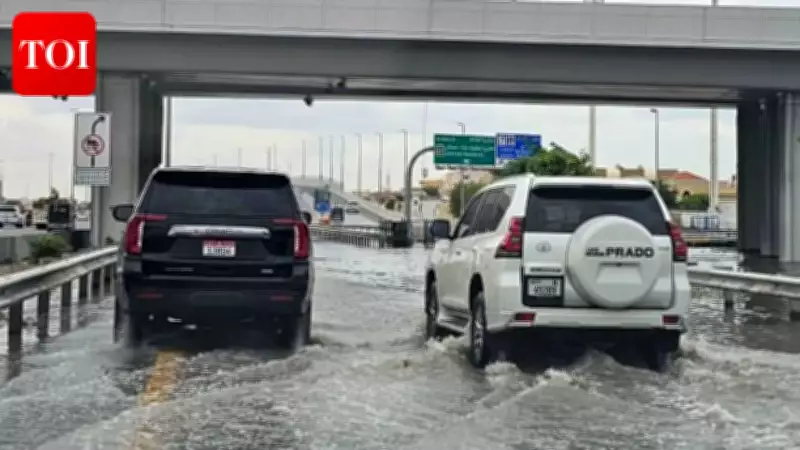
UAE Battles Extreme Weather: Floods Cause Widespread Vehicle Damage
For the past week, the United Arab Emirates has been grappling with severe weather conditions characterized by heavy rainfall, widespread flooding, and intense thunderstorms. Videos circulating on social media platforms have shown numerous vehicles partially or completely submerged in water, particularly in low-lying regions across the country.
Stranded Motorists Face Mounting Concerns
In many affected areas, drivers found themselves stranded with their vehicles, forced to wait for water levels to recede before attempting to move forward. Numerous motorists have reported minor to significant damage to their cars, with growing concerns about repair expenses becoming a primary topic of discussion among residents. Many vehicle owners are worried about whether they will need to cover these losses from personal funds or if their insurance policies might provide financial assistance.
Understanding UAE Insurance Requirements
According to UAE law, driving a car without insurance coverage is illegal. While third-party insurance is mandatory for all vehicles, comprehensive insurance remains optional and depends on the owner's preference and financial considerations.

What Third-Party Insurance Covers
Third-party insurance provides basic protection that includes:
- Damage to another driver's vehicle
- Injury or death of third parties
- Damage to public or private property
However, this type of insurance offers minimal to no protection or benefits to the policyholder themselves, leaving vehicle owners vulnerable to personal financial losses in situations like the current flooding.
Comprehensive Insurance Coverage Details
Comprehensive insurance policies provide broader protection that encompasses everything included in third-party coverage plus additional benefits:
- Damage to your own vehicle
- Theft protection
- Fire damage coverage
- Vandalism protection
- Natural disaster coverage including flooding
- Personal injury coverage in certain circumstances
Assessing Vehicle Damage from Flooding
Automobile experts indicate that the extent of flood damage primarily depends on two key factors: how long the vehicle remained submerged and the depth of the water exposure. In an interview with Khaleej Times, Nasir Rasool, an automobile expert based in Industrial Area 6 in Sharjah, explained that even when the engine appears safe, water can still cause significant damage to electrical systems, transmission components, and interior parts.
"People should not attempt to start their vehicles and instead arrange for immediate professional inspection," Rasool emphasized.
He further noted that "in some cases, vehicles can be salvaged through thorough cleaning and fluid replacement procedures, but if the engine or Electronic Control Unit sustains damage, repair expenses can become prohibitively expensive."
Repair Cost Estimates for Flood-Damaged Vehicles
Repair expenses vary significantly based on the severity of water damage. Minor cases involving interior drying and fluid changes might range from several hundred to a few thousand dirhams. However, when electrical systems, sensors, or wiring harnesses become affected, costs can escalate substantially.
In severe instances where engines suffer hydrolock damage or require complete replacement, expenses can exceed Dh15,000 to Dh25,000 depending on the vehicle make and model, according to Nabeel Ahmed, an expert at Carzpert Auto Maintenance in Umm Ramool. While comprehensive insurance policyholders may have these costs covered, those with only third-party insurance must bear these expenses personally.
Newer Vehicles Face Greater Vulnerability
Automotive specialists have issued warnings that newer vehicles with advanced electronic systems are particularly susceptible to flood damage. "Even partial submersion can negatively impact sensors and wiring systems. The most critical mistake people make is attempting to start their vehicles, which can transform minor issues into major engine damage," Ahmed cautioned, advising motorists to arrange for professional towing and inspection services instead.

Experts also reminded drivers that comprehensive insurance coverage might not apply if negligence is determined, such as deliberately driving into deep water or attempting to start a submerged vehicle. For owners of recently purchased vehicles, comprehensive insurance during unpredictable weather periods represents a worthwhile investment. Conversely, for those with older vehicles, third-party insurance might provide sufficient protection under normal circumstances.





