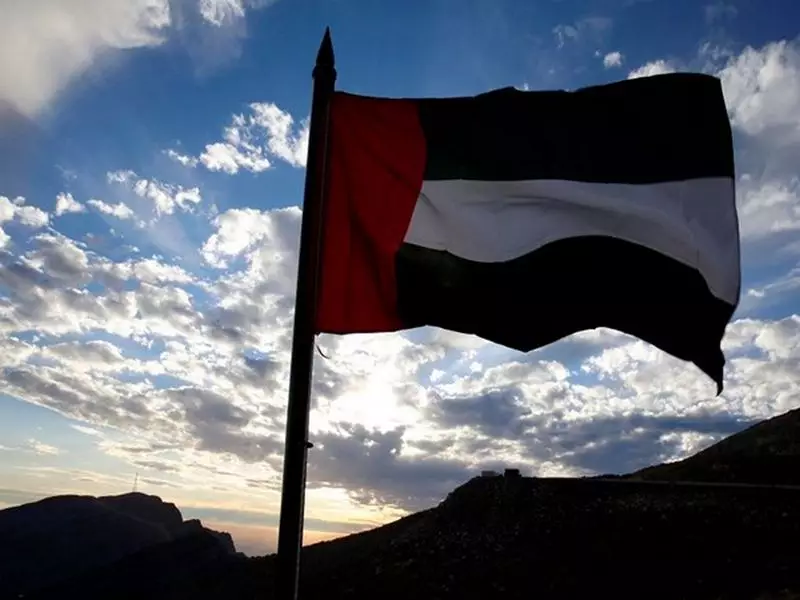
The United Arab Emirates has made a significant move on the global stage. The nation has formally ratified the International Labour Organization's Protocol on Forced Labour. This action underscores the UAE's dedication to upholding fundamental labour standards.
What This Ratification Means
By ratifying this protocol, the UAE commits to taking concrete measures against forced labour. The country will now work to prevent such practices within its borders. It also pledges to protect victims and ensure they have access to justice and remedies.
Key Provisions of the Protocol
The International Labour Organization's Protocol on Forced Labour is a crucial instrument. It supplements the ILO's Forced Labour Convention of 1930. The protocol requires member states to develop national plans for eliminating forced labour. It emphasizes the need for effective enforcement of laws and regulations.

Countries must also provide protection and support to victims. This includes measures to prevent their re-victimization. The protocol encourages international cooperation to combat forced labour globally.
Implications for the UAE
This ratification is part of broader efforts by the UAE to enhance its labour market policies. In recent years, the country has introduced various reforms. These aim to improve working conditions for expatriate workers, who form a large part of its workforce.
The UAE's action aligns with global trends. Many nations are increasingly focusing on ethical labour practices. This move may boost the UAE's international reputation. It could also influence other countries in the region to follow suit.
Global Context and Reactions
Forced labour remains a pressing issue worldwide. The International Labour Organization estimates that millions of people are trapped in modern slavery. The UAE's ratification adds momentum to international efforts to address this challenge.
Human rights groups have often called for stronger actions against forced labour. This development is likely to be welcomed by such organizations. It represents a step forward in the global fight for decent work and human dignity.
The UAE now joins a growing list of countries that have ratified the protocol. This collective action is essential for creating a cohesive international response to forced labour.
Looking Ahead
The ratification is just the beginning. The UAE will need to implement the protocol's provisions effectively. This will involve revising national laws, strengthening inspections, and raising awareness among employers and workers.
Monitoring and reporting mechanisms will also be crucial. The UAE will have to submit regular reports to the International Labour Organization. These will detail the progress made in combating forced labour.
Overall, this move signals the UAE's commitment to aligning with international labour standards. It reflects a broader shift towards more transparent and humane labour practices in the Gulf region.