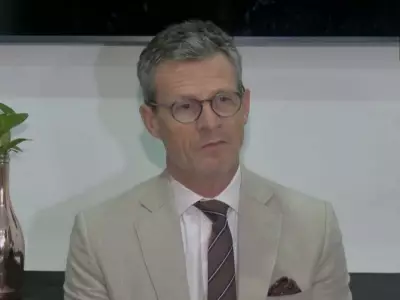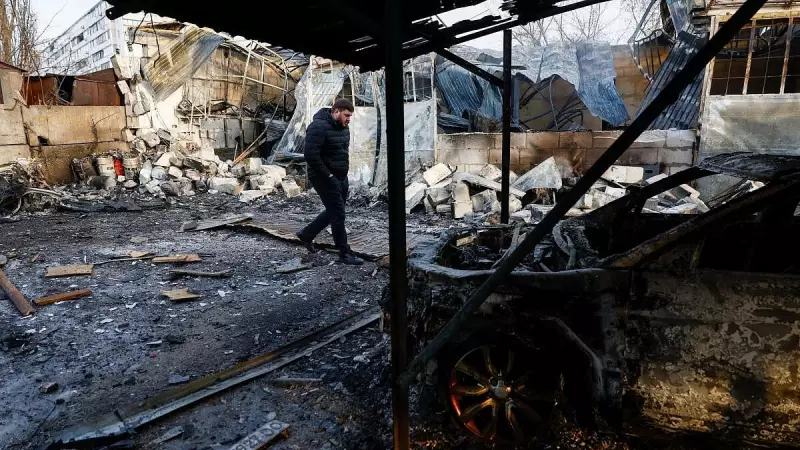
In a sharp diplomatic condemnation, Ukraine's foreign minister has accused Russian President Vladimir Putin of cynically ordering military attacks during crucial peace negotiations held in Abu Dhabi. This serious allegation comes as international efforts intensify to find a resolution to the ongoing conflict that has devastated Eastern Europe.
Diplomatic Talks Overshadowed by Allegations
The foreign minister's statement represents a significant escalation in diplomatic rhetoric, suggesting that Russia engaged in military operations simultaneously with participating in what were supposed to be constructive peace discussions. The Abu Dhabi talks, which brought together key stakeholders, were intended to create a framework for de-escalation and potential ceasefire agreements.
Zelenskyy's Cautious Assessment
Ukrainian President Volodymyr Zelenskyy had previously offered a more measured perspective on the negotiations. Speaking on Friday, President Zelenskyy emphasized that it was too early to draw definitive conclusions from the initial day of meetings in the United Arab Emirates capital. Despite this caution, he delivered a clear message to Moscow.

"We need to see concrete actions that demonstrate Russia's genuine willingness to end this war," Zelenskyy stated, highlighting the fundamental requirement for any meaningful progress in diplomatic channels. His comments reflect the Ukrainian government's position that words must be matched by deeds in the peace process.
The Context of Ongoing Conflict
These developments occur against the backdrop of:
- Continued military engagements along multiple fronts
- International pressure for diplomatic solutions
- Humanitarian concerns affecting civilian populations
- Global economic repercussions from the prolonged conflict
The foreign minister's accusation of "cynical" timing suggests a calculated Russian strategy that undermines the very purpose of diplomatic engagement. This pattern, if substantiated, would represent a serious challenge to international conflict resolution mechanisms.
International Response and Next Steps
The international community continues to monitor the situation closely, with many nations calling for:
- Immediate cessation of hostilities
- Good faith participation in peace negotiations
- Humanitarian access to affected regions
- Accountability for violations of international law
As diplomatic efforts continue, the credibility of negotiation processes remains paramount. The allegations from Ukraine's foreign minister add another layer of complexity to an already challenging diplomatic landscape, raising questions about the viability of current peace initiatives.