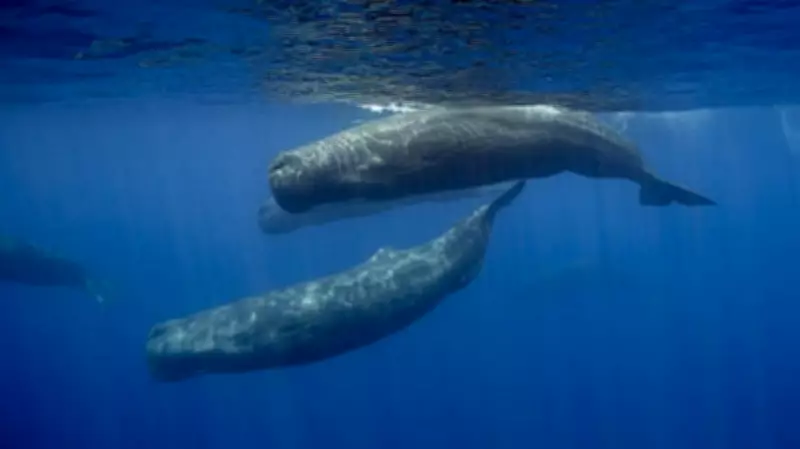
An innovative underwater robot is now capable of tracking sperm whale conversations in real time, offering unprecedented insights into the lives of these deep-sea giants. By linking whale behaviour with environmental pressures, this technology could inform more precise, evidence-based policy decisions, such as when to reduce ship speeds, reroute traffic, or implement fishing restrictions to minimise disruption in sensitive areas.
How the Technology Works
The robot, equipped with advanced acoustic sensors, can detect and record the distinct clicking sounds made by sperm whales during their social interactions and foraging dives. These clicks, known as codas, form a complex language that the robot can analyse instantly. The data is then transmitted to researchers onshore, allowing for real-time monitoring of whale movements and communication patterns.
Environmental Pressures and Behaviour
By correlating whale activity with environmental factors such as ocean temperature, noise pollution, and shipping traffic, scientists can better understand how these pressures affect whale behaviour. For example, increased ship noise may cause whales to alter their vocalizations or avoid critical feeding areas. The robot's real-time capabilities mean that such changes can be detected immediately, enabling swift action to mitigate harm.

Policy Implications
The insights gained from this technology could transform marine conservation policies. Instead of relying on static regulations, authorities could implement dynamic measures based on actual whale presence and behaviour. For instance, ship speed limits could be adjusted in real time when whales are detected nearby, or fishing zones could be temporarily closed during peak feeding periods. This adaptive approach promises to be more effective in protecting sperm whale populations while minimising economic impacts on maritime industries.
Future Developments
The research team behind the robot plans to expand its use to other whale species and deploy multiple units across key oceanic regions. They also aim to integrate the system with global shipping and fishing databases, creating a comprehensive network for real-time marine management. As the technology evolves, it could become a vital tool for balancing human activities with the needs of marine life.
This breakthrough represents a significant step forward in our ability to understand and protect one of the ocean's most enigmatic creatures. By turning whale conversations into actionable data, the underwater robot offers a promising path toward more harmonious coexistence between humans and marine wildlife.