

US Attack on Iran: Strategic Blunder or Deliberate Escalation?
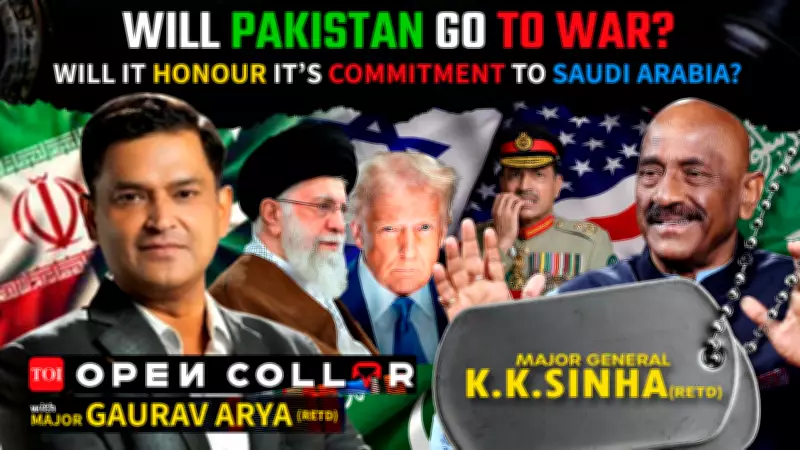
In a riveting episode of OPEN COLLAR, Major Gaurav Arya engages with Major General K K Sinha (Retd.) to dissect the intensifying conflict between the United States, Israel, and Iran. As hostilities surge across West Asia, profound inquiries emerge regarding strategic decisions, potential miscalculations, and the geopolitical future of the region.
Assessing US Strategy and Iranian Preparedness
A central debate revolves around whether the United States underestimated Iran's military capabilities and readiness. Analysts suggest that Iran's decentralized warfare approach, characterized by proxy networks and asymmetric tactics, has enabled it to sustain operations despite significant leadership casualties. This resilience challenges conventional military assessments and raises questions about the effectiveness of US strategic planning.
The Role of Regional Actors and Proxy Groups
Groups such as Hezbollah, Hamas, and the Houthis are pivotal in the broader regional conflict, acting as extensions of Iranian influence. Their involvement complicates the battlefield, creating a multifaceted war where direct confrontations are intertwined with indirect engagements. Understanding their strategies is crucial for grasping the full scope of the conflict.

Global Powers and Behind-the-Scenes Influence
Beyond the immediate players, global powers like China and Russia are suspected of subtly shaping the conflict dynamics. Their economic, military, and diplomatic support could be altering the balance of power, influencing outcomes without overt involvement. This adds a layer of complexity to an already volatile situation.
Implications for Regional Stability and Future Scenarios
The escalation poses significant risks to regional stability, with potential ramifications for global oil markets, international trade routes, and diplomatic relations. Experts warn that miscalculations could lead to a wider war, drawing in more nations and destabilizing West Asia further.
In summary, this analysis delves into whether the US attack on Iran represents a strategic mistake born of misjudgment or a calculated move to assert dominance, considering all factors from military tactics to global geopolitics.






