

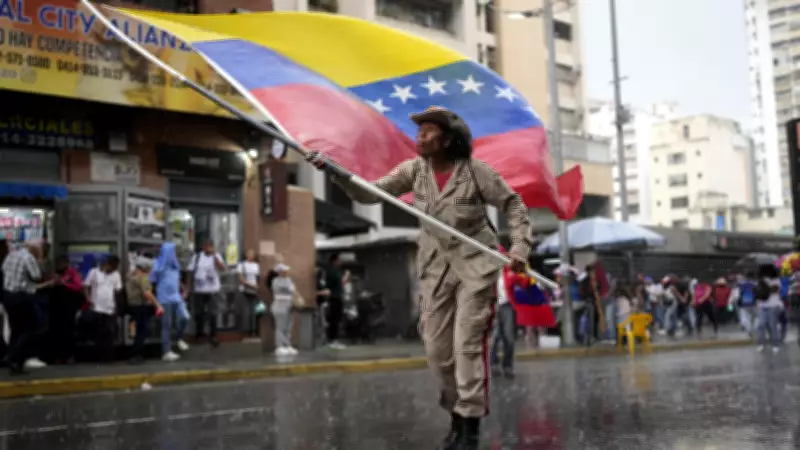
Venezuela's Authoritarian Control Shows Signs of Loosening Amid Political Shifts
In a surprising turn of events, Venezuela's long-standing authoritarian regime, led by President Nicolás Maduro, is exhibiting signs of a gradual easing in its tight political control. This development comes after years of intense repression and consolidation of power, which has characterized the South American nation's governance since Maduro took office following Hugo Chávez's death. The shift, while subtle, marks a notable departure from the previous hardline stance that saw widespread crackdowns on opposition figures, media censorship, and electoral manipulation.
Factors Behind the Changing Political Landscape
Several key factors are contributing to this unexpected loosening of Venezuela's authoritarian grip. Firstly, international pressure has mounted significantly, with countries and organizations imposing sanctions and demanding democratic reforms. This external scrutiny has forced the Maduro government to reconsider its strategies to avoid further isolation. Additionally, internal economic challenges, including hyperinflation and shortages of basic goods, have weakened the regime's ability to maintain absolute control, as public discontent grows and resources for repression become scarcer.
Moreover, the opposition in Venezuela has shown resilience and adaptability, finding new ways to mobilize and challenge the government despite previous setbacks. This has created a more dynamic political environment where the regime can no longer rely solely on brute force to suppress dissent. The upcoming electoral processes, though still fraught with concerns over fairness, have prompted the government to allow a degree of political space to legitimize its rule and reduce tensions.

Uncertainty Over the Sustainability of This Shift
Despite these positive signs, experts and analysts remain deeply skeptical about how long this easing of Venezuela's authoritarian grip will last. The regime's core structures of power, including the military and loyalist groups, remain intact, and Maduro has a history of reversing concessions when faced with threats to his authority. Many fear that this could be a temporary tactical move rather than a genuine commitment to democratic opening.
Economic instability continues to pose a major challenge, as Venezuela grapples with one of the worst crises in its history. Without substantial improvements in living conditions, any political relaxation might be short-lived, as the government could revert to authoritarian measures to quell unrest. Furthermore, the international community's role is crucial; if pressure wanes or if Maduro secures enough support from allies like Russia and China, he might feel emboldened to tighten control once again.
Implications for Venezuela and the Region
The potential easing of Venezuela's authoritarian grip has significant implications not only for the country but for the entire Latin American region. If sustained, it could pave the way for more inclusive governance and reduce the flow of refugees fleeing political persecution and economic hardship. However, the fragility of this shift means that stakeholders must remain vigilant.
- Regional stability could be affected, as neighboring countries have borne the brunt of Venezuela's crisis through migration and economic spillovers.
- Human rights improvements might occur if political space expands, but past abuses cast a long shadow over trust in the regime.
- Global geopolitics play a role, with major powers watching closely to see if Venezuela aligns more with democratic norms or remains an authoritarian outlier.
In conclusion, while Venezuela's authoritarian grip is showing signs of easing, the question of "for how long?" looms large. The coming months will be critical in determining whether this is a fleeting moment or the beginning of a more profound transformation toward greater freedom and accountability in a nation long plagued by autocratic rule.






