Warsaw Zoo Launches Innovative 24/7 Emergency Room for Injured Wild Birds
In a groundbreaking move for wildlife conservation, the Warsaw Zoo in Poland has officially opened a 24/7 emergency room dedicated to rescuing and treating injured wild birds. This innovative facility, which began operations in February, features an automated drop-off system designed to provide immediate care for avian patients, ensuring they receive expert veterinary attention around the clock.
A Lifeline for Feathered Residents: How the Emergency Room Works
The emergency room consists of a series of automated metal containers, similar to parcel lockers, strategically placed at the zoo's entrance. When a member of the public finds a sick or injured bird, they can place it in a secure box within one of these containers. The system immediately sends a signal to the adjacent bird hospital, alerting veterinarians just a few meters away to retrieve the patient for diagnosis and treatment.
This setup is particularly crucial during winter, as the containers are equipped to keep birds warm until they can be collected. The concept was developed based on input from the bird hospital's staff, aiming to streamline the rescue process and enhance survival rates for vulnerable species.

Real-Life Rescue: A Bullfinch's Journey to Recovery
The importance of this new facility was highlighted by a recent case involving Marcin Jarzebski, a Warsaw resident. When a male bullfinch collided with his apartment window, Jarzebski took the bird in overnight but recognized it needed professional help due to a suspected broken wing. The next morning, he transported the bird in a shoebox to the zoo's emergency room, becoming one of its first users.
After filling out a detailed questionnaire, Jarzebski placed the bullfinch and the form into a container, confident that the bird would now have its best chance at survival. "The bird stayed with us overnight, but unfortunately, it probably has a broken wing, so we brought it to the bird hospital," he explained, underscoring the critical role of timely intervention.
Addressing Human Impact on Avian Life
Andrzej Kruszewicz, the zoo director and an ornithologist, spearheaded this initiative, emphasizing that humans have a moral responsibility to care for birds whose habitats have been disrupted by urban development. "This bird is a child of the forest who, during migration, didn’t understand the window," Kruszewicz said, referring to the bullfinch incident.
He pointed out that many bird injuries stem from human activities, such as car accidents, window collisions, electrocutions, and entanglement in debris like strings on storks' legs. "All this is humans’ fault, and they should feel responsible for giving these birds a second chance," Kruszewicz asserted, advocating for greater public awareness and action.
Climate Change and Its Effects on Bird Populations
The bird hospital, which has been operating since 1998 and treats approximately 9,000 patients annually, sees a wide range of species. Common patients include songbirds like tits, sparrows, thrushes, and starlings, as well as pigeons. However, in Warsaw—a green city bisected by the Vistula River—rarer birds also occasionally require care.
Hospital manager Andzelika Gackowska noted that climate change is altering bird behavior, with warmer winters causing species like cranes and herons to forgo migration and remain in Poland. "Birds who stopped migrating because of warm winters were caught off guard by such a harsh winter as this year," she explained. This shift has led to increased vulnerability, with some birds developing anaemia due to harsh conditions and poor nutrition, making them more susceptible to diseases.
Community Involvement and Public Education
The emergency room was partially funded through Warsaw's citizen budget program, which selects projects based on popularity in online surveys, reflecting strong local support for wildlife conservation. Zoo workers report that residents have become more proactive in assisting sick birds, though they caution against overzealousness.

Gackowska highlighted the importance of public education, especially during spring. "In spring, we always make an information campaign warning people not to kidnap birds," she said. "Birds take care of their small ones differently than humans. If we see a baby bird on the grass alone, it is likely just training how to fly independently." This guidance helps prevent unnecessary interventions that could harm healthy fledglings.
Inside the Bird Hospital: A Hub of Healing and Hope
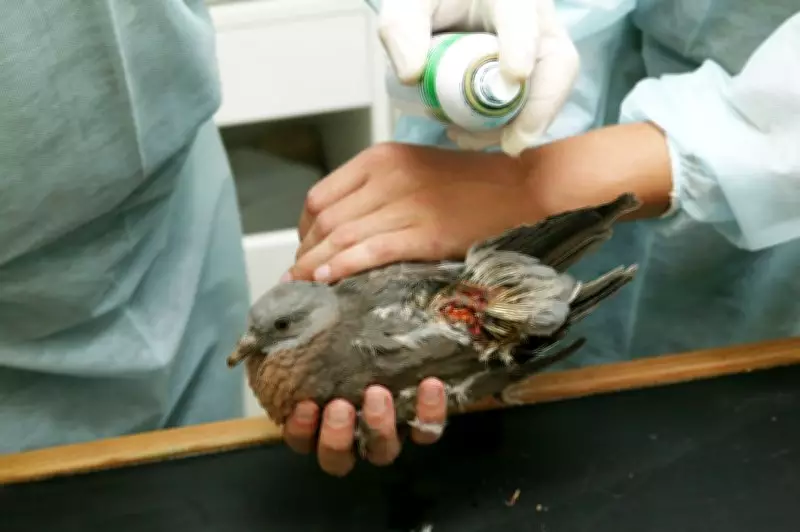
Within the hospital, veterinary assistants work tirelessly, feeding and administering medicine to birds housed in various rooms categorized by species and illness severity. Once birds regain strength, they are transferred to large outdoor cages to acclimate to their natural environment before release.
Veterinarian Ewelina Chudziak emphasized that the ultimate goal is to return cured birds to the wild. "We are fighting for freedom," she stated, encapsulating the mission of the facility. This comprehensive approach—from emergency drop-off to rehabilitation and release—ensures that Warsaw's avian residents receive the care they need to thrive once more in their habitats.