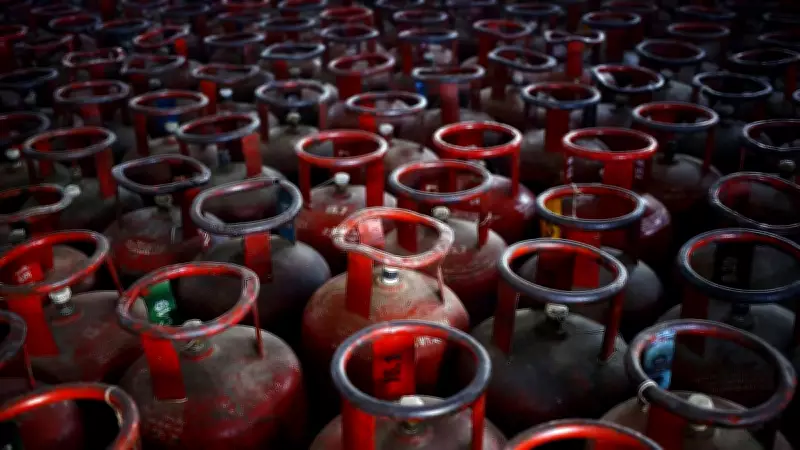
West Asia Conflict Disrupts Gas Supply at Major Pune Crematorium
The ongoing conflict in West Asia has caused significant disruptions to the supply of Liquefied Petroleum Gas (LPG) in India, with one of Pune's largest crematoriums directly affected. This situation highlights the broader impact of global geopolitical tensions on local infrastructure and services.
Impact on Pune's Crematorium Operations
In Pune, a major crematorium has reported challenges in maintaining its regular operations due to the reduced availability of LPG components, specifically propane and butane. These gases are essential for cremation processes, and the supply shortage has forced the facility to implement conservation measures. Authorities are closely monitoring the situation to ensure minimal disruption to essential services, but the uncertainty in supply chains poses ongoing concerns.
Nationwide Conservative Usage of LPG Components
Across India, the disruption has led to a conservative approach in the usage of LPG components. Industries and households are being advised to use propane and butane more efficiently to mitigate the effects of the supply chain issues. This conservative usage is part of a broader strategy to manage resources during the crisis, with government agencies working to secure alternative supplies and stabilize the market.

Geopolitical Context and Energy Security
The conflict in West Asia, involving key energy-producing regions, has triggered fluctuations in global energy markets, affecting LPG exports to India. This incident underscores the vulnerabilities in India's energy security and the need for diversified supply sources. Experts emphasize that such disruptions can have cascading effects on various sectors, from industrial operations to essential public services like crematoriums.
Response and Future Outlook
In response to the crisis, local authorities in Pune are exploring temporary solutions, such as sourcing LPG from other regions or using alternative fuels where feasible. Nationally, policymakers are reviewing energy policies to enhance resilience against similar disruptions in the future. The situation remains fluid, with updates expected as the conflict in West Asia evolves and supply chains adjust.