

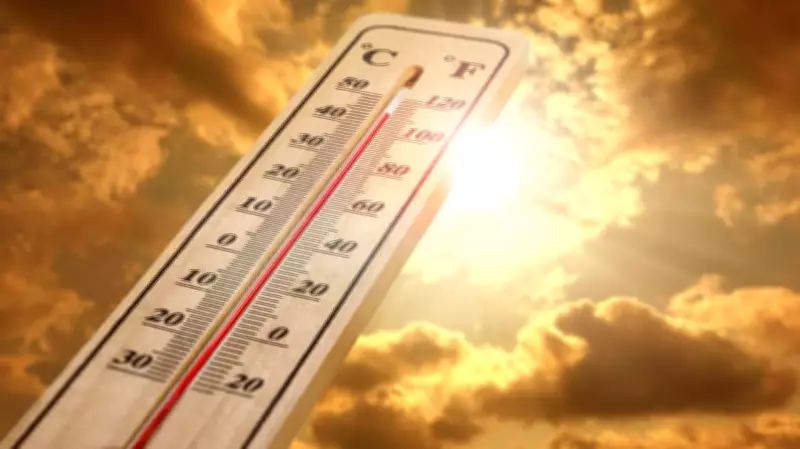
As per data obtained from the Air Quality Index (AQI) website, 98 out of the 100 hottest cities in the world lie within the borders of India. This alarming statistic underscores the growing impact of climate change and the looming threat of extreme weather events, particularly the phenomenon known as 'Super El Nino.'
What is Super El Nino?
Super El Nino is an intensified phase of the El Nino-Southern Oscillation (ENSO) cycle, characterized by significantly warmer-than-average sea surface temperatures in the central and eastern Pacific Ocean. This climatic event disrupts global weather patterns, often leading to severe droughts, floods, and heatwaves across various regions. For India, a Super El Nino typically translates to weakened monsoon rains, prolonged dry spells, and increased frequency of heatwaves.
Why is it worrisome for India?
India's economy and food security are heavily dependent on the monsoon rains. A Super El Nino can cause deficient rainfall, leading to water scarcity, crop failures, and higher food prices. The recent data showing 98 of the world's hottest cities in India highlights the country's vulnerability to extreme heat. During a Super El Nino, temperatures can soar, exacerbating health risks such as dehydration and heatstroke, particularly in urban areas like Bangalore, where humid weather and poor rainfall patterns have already caused distress.

The impact is not limited to heat. Erratic weather patterns may bring incessant rainfall and heavy downpours in some regions, leading to floods and landslides, while other areas face drought. This variability disrupts agriculture, water management, and daily life. Weather monitoring agencies have issued warnings about the potential for extreme weather events, including heatwaves and heavy rainfall, which could strain infrastructure and public health systems.
Preparing for the impact
To mitigate the effects, experts recommend strengthening early warning systems, promoting water conservation, and adopting climate-resilient agricultural practices. The government and communities must prepare for both heatwaves and potential flooding. Public awareness campaigns on dehydration and heatstroke prevention are crucial, especially in cities like Bangalore that have experienced volatile weather patterns, including heavy rainfall and humid conditions.
The onset of a Super El Nino serves as a stark reminder of the urgent need for climate adaptation strategies. With 98 of the 100 hottest cities in India, the nation stands on the front lines of this global climate challenge.






