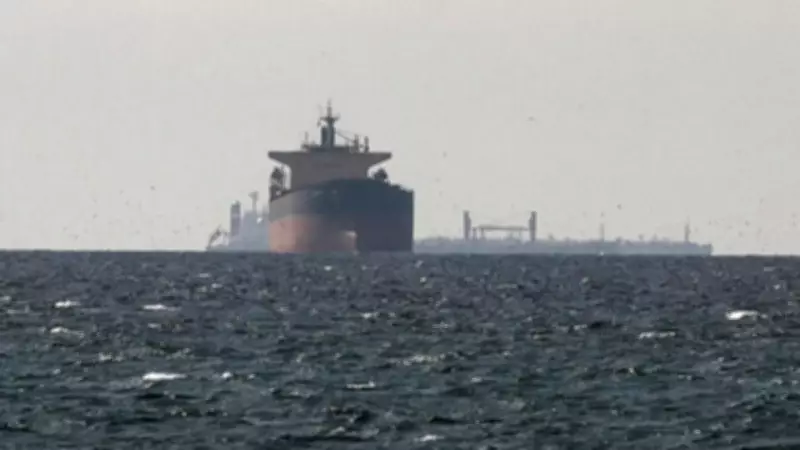
India-Bound Vessels Transit Strait of Hormuz After US-Iran Peace Agreement
Eleven ships bound for India successfully crossed the Strait of Hormuz on Tuesday, following the signing of a peace memorandum between the United States and Iran. The transit comes after weeks of heightened military presence in the strategic waterway, which had raised concerns about global oil supplies and shipping safety.
Details of the Transit
The vessels, including crude oil tankers and container ships, passed through the strait under the escort of Indian Navy warships, according to a statement from the Indian Ministry of External Affairs. The operation was coordinated with regional maritime authorities to ensure safe passage.
“The successful transit of these 11 ships underscores our commitment to protecting national interests and ensuring energy security,” a ministry spokesperson said. India imports roughly 80% of its crude oil, with a significant portion transiting the Strait of Hormuz.

Background of the Tensions
The Strait of Hormuz, a narrow channel between the Persian Gulf and the Gulf of Oman, had been under close surveillance since April 2026, when US-Iran negotiations over Tehran’s nuclear program stalled. The US Fifth Fleet had increased patrols in the region, while Iran conducted military exercises near the strait, raising fears of a blockade.
Impact of the Peace MoU
The peace memorandum, signed on June 20 in Muscat, Oman, commits both nations to de-escalate military activities and resume diplomatic talks. In exchange for sanctions relief, Iran agreed to limit its uranium enrichment and allow international inspections. The deal has eased shipping insurance premiums and reduced the risk of supply disruptions.
“This agreement is a win for global stability and energy markets,” said Dr. Anil Sharma, a geopolitical analyst at the Institute for Defence Studies and Analyses in New Delhi. “India, as a major energy consumer, stands to benefit significantly.”
Strategic Importance for India
The Strait of Hormuz is a critical chokepoint for India’s energy imports, with over 60% of its crude oil and liquefied natural gas passing through it. Any disruption could have severe economic consequences, including fuel price spikes and supply shortages. The Indian Navy has maintained a continuous presence in the region since 2019 as part of its maritime security operations.
According to the Indian Ministry of Shipping, the 11 ships carried approximately 2.5 million barrels of crude oil and various containerized goods. Their safe arrival at Indian ports is expected within the next week.
International Reactions
The US-Iran peace deal has been welcomed by several countries, including China, Japan, and South Korea, all of which rely on the strait for energy imports. The United Nations Secretary-General called it “a landmark step toward lasting peace in the region.”
However, some analysts caution that implementation remains fragile. “The MoU is just a first step,” warned Dr. Fatima Al-Hassan, a Middle East expert at Georgetown University in Doha. “Both sides must build trust through sustained dialogue.”