

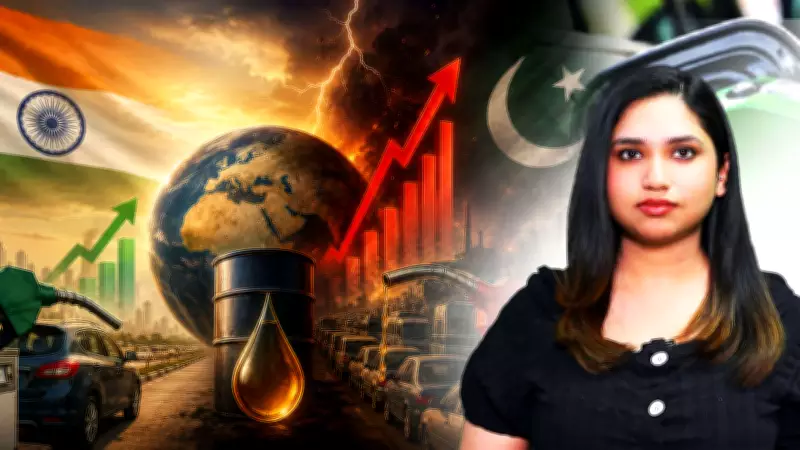
India's petrol and diesel prices witnessed an increase of ₹3 per litre on May 15, 2026, marking the first such hike in almost four years. This move comes amidst a global surge in fuel prices, which have risen by 20 to 90 percent since the onset of the West Asia conflict and the closure of the Strait of Hormuz. In comparison, India's price adjustment is among the smallest in the world.
Global Context
The West Asia conflict and the subsequent closure of the Strait of Hormuz have disrupted global oil supplies, leading to significant price increases across the world. Many countries have experienced hikes ranging from 20 percent to as high as 90 percent. Against this backdrop, India's modest increase of ₹3 per litre appears relatively restrained.
Impact on Oil Marketing Companies (OMCs)
The price hike is expected to alleviate some of the financial losses incurred by Oil Marketing Companies (OMCs) in India. These companies had been absorbing the higher global prices for several months, leading to substantial under-recoveries. The increase will help OMCs recover part of their losses, though it may not fully offset the impact of global price volatility.

Political Reactions
BJP leader Amit Malviya commented on the price hike, highlighting that India's increase is minimal compared to global trends. However, critics point out that his statement omits the fact that the previous government had kept prices artificially low before the elections, and the current adjustment merely reflects the delayed pass-through of global prices. The opposition has accused the government of hiding the true cost of fuel from the public.
What the Future Holds
Analysts suggest that further price increases may be necessary if global crude oil prices remain elevated. The government faces a delicate balancing act between managing inflation, public sentiment, and the financial health of OMCs. Consumers are likely to feel the pinch, but compared to many other nations, India's fuel prices remain relatively competitive.






