

Violent protests over Iran's struggling economy have led to significant casualties and detentions, with a US-based rights group reporting at least 35 fatalities. The demonstrations, now entering their second week, show no signs of abating and have spread across the nation.
Escalating Violence and Widespread Demonstrations
The Human Rights Activists News Agency (HRANA), based in the United States, made the claim about the death toll on Tuesday. According to their report, the victims include 29 protesters, four children, and two members of Iran's security forces. The agency further stated that more than 1,200 people have been detained since the protests began over a week ago.
The scale of the unrest is vast. Reports indicate that demonstrations have reached over 250 locations in 27 of Iran's 31 provinces. Within the capital, Tehran, protests were noted in multiple districts including Novobat, Tehran Pars, Ekteban, Sadeghieh, Sattarkhan, Naziabad, and Abdolabad.

Leadership Response and International Tensions
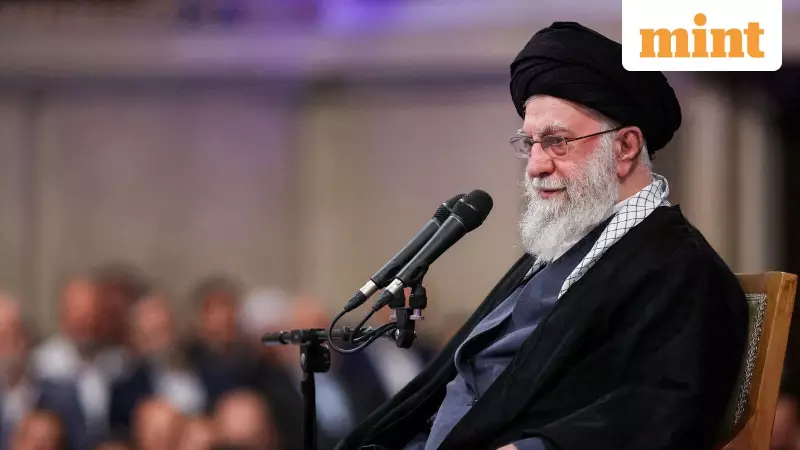
Iran's Supreme Leader, Ayatollah Ali Khamenei, addressed the situation on Saturday, January 4th, drawing a sharp distinction between protesters and rioters. "We talk to protesters, the officials must talk to them," he was quoted as saying by the Associated Press. "But there is no benefit to talking to rioters. Rioters must be put in their place."
The semiofficial Fars news agency, which is believed to have ties to Iran's Revolutionary Guard, alleged that some demonstrators were armed with firearms and grenades, though it provided no evidence for this claim.
The growing death toll has ignited fears of international involvement. US President Donald Trump issued a stark warning to Iran on Friday, stating that if Tehran "violently kills peaceful protesters," the United States "will come to their rescue." This threat prompted an angry response from Iranian officials, who threatened to target American troops in the Middle East.
Root Causes: A Failing Economy and Political Grievances
The current wave of protests was initially sparked by Iran's ailing economy. What began last Sunday as strikes by shopkeepers over economic hardships quickly expanded in size and scope, with participants now voicing political demands against the country's theocracy.
Iran's economic woes have deepened following its conflict with Israel in June and subsequent US airstrikes on its nuclear sites. The national currency, the rial, collapsed in December, plummeting to 1.4 million to the US dollar. Despite Iran's recent announcement that it has halted uranium enrichment at all sites—a move seemingly aimed at easing sanctions—no negotiations have materialized, as the US and Israel continue to warn against any revival of its atomic program.
Information about the protests within Iran remains scarce, with state media offering minimal coverage. The public largely relies on brief, often shaky online videos to glimpse the events unfolding on the streets.
These protests mark the most significant unrest in Iran since the 2022 nationwide demonstrations triggered by the death of Mahsa Amini, a 22-year-old woman who died in police custody after being detained for allegedly improperly wearing her hijab. However, analysts note the current protests have not yet reached the same level of intensity and widespread participation as the 2022 movement.






