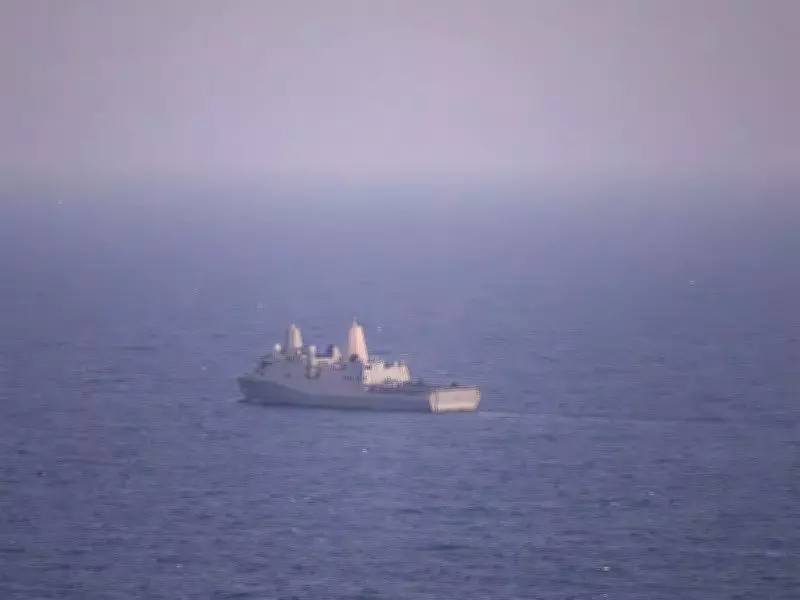
The United States has compelled 48 vessels to alter their course in the Gulf region as part of an intensified blockade targeting Iranian maritime assets. This move marks a significant escalation in the ongoing tensions between Washington and Tehran, with the US Navy asserting its authority to intercept and redirect ships suspected of carrying goods to or from Iran.
US Naval Operations Intensify
According to US officials, the operations are aimed at enforcing sanctions and preventing Iran from utilizing maritime routes to bypass economic restrictions. The redirected vessels include both commercial and tanker ships, which were instructed to change their destinations or face potential seizure. The US Fifth Fleet, based in Bahrain, has been coordinating these efforts, deploying destroyers and patrol aircraft to monitor and interdict suspicious traffic.
Impact on Regional Shipping
The blockade has caused disruptions in the Gulf's shipping lanes, leading to delays and increased insurance costs for vessels operating in the area. Shipping companies have reported heightened scrutiny and longer transit times as they navigate around designated zones. Some vessels have been forced to reroute through alternative channels, adding days to their journeys and raising operational expenses.

Iran has condemned the US actions as piracy and a violation of international law. In response, Tehran has threatened to retaliate by targeting US naval assets or imposing its own restrictions on shipping in the Strait of Hormuz, a critical chokepoint for global oil supplies. The Iranian navy has increased patrols and conducted drills near the strait, raising fears of a potential confrontation.
International Reactions
The international community has expressed concern over the escalating situation. The United Nations has called for restraint and dialogue to avoid a broader conflict that could disrupt global energy markets. Meanwhile, European allies have urged the US to provide clear evidence of sanctions violations before taking such aggressive measures. Some Gulf states, while supportive of curbing Iran's influence, have privately voiced worries about the economic fallout on their own shipping industries.
The US maintains that the blockade is necessary to protect national security and uphold international sanctions. However, critics argue that the unilateral actions could backfire, strengthening Iran's resolve and alienating key partners. As the standoff continues, the number of redirected vessels may rise, further straining an already volatile region.