

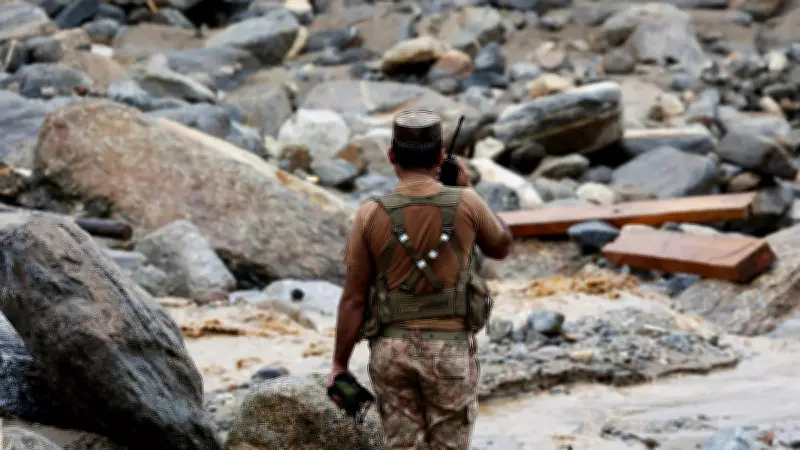
In a significant escalation of military action, Pakistani security forces have conducted extensive operations in the volatile Balochistan province, resulting in heavy casualties on both sides. According to official statements released on Saturday, these operations were launched as a direct response to coordinated attacks by militants belonging to ethnic Baloch groups at multiple locations across the region.
High Casualty Figures Reported in Intense Clashes
The Pakistani military has confirmed that during these security operations, a total of 92 militants were eliminated by the armed forces. However, the confrontations also came at a steep cost, with 15 Pakistani soldiers martyred in the line of duty. The operations underscore the ongoing security challenges in Balochistan, a province that has long been a hotspot for separatist insurgency and militant activities.
Background of the Conflict in Balochistan
Balochistan, Pakistan's largest province by area, has been plagued by a long-standing insurgency led by ethnic Baloch groups demanding greater autonomy and control over the region's rich natural resources. The Pakistani government has consistently labeled these groups as militants and terrorists, while the insurgents accuse the state of economic marginalization and human rights abuses. This latest flare-up follows a pattern of sporadic violence that has claimed numerous lives over the years.

Details of the Militant Attacks and Military Response
According to the statement from Pakistani authorities, the security operations were initiated after militants carried out attacks at several undisclosed locations on Saturday. While specific details about the nature of these attacks remain limited, it is clear that they prompted a swift and forceful response from the military. The operations involved ground troops, supported by aerial surveillance and possibly air strikes, though official confirmation on the tactics used is pending.
The high number of militant casualties suggests that the security forces engaged in large-scale confrontations, possibly targeting militant hideouts or strongholds. The loss of 15 soldiers indicates that the militants put up significant resistance, leading to intense firefights. This incident highlights the persistent threat posed by Baloch insurgent groups and the risks faced by Pakistani security personnel in the region.
Implications for Regional Stability and Security
The recent operations in Balochistan are likely to have broader implications for Pakistan's internal security and regional stability. Balochistan shares borders with Afghanistan and Iran, making it a strategically sensitive area. The ongoing conflict not only affects local populations but also has the potential to spill over into neighboring countries, complicating diplomatic relations and cross-border security efforts.
Moreover, the high casualty figures may fuel further resentment among Baloch communities, potentially escalating the cycle of violence. Human rights organizations have often raised concerns about the impact of military operations on civilians in Balochistan, calling for greater transparency and accountability. The Pakistani government, on the other hand, maintains that such operations are necessary to combat terrorism and ensure national security.
Looking Ahead: Challenges and Prospects for Peace
As the dust settles on these latest clashes, questions remain about the long-term strategy for addressing the Balochistan conflict. While military operations can provide temporary security gains, sustainable peace will likely require a multifaceted approach that includes political dialogue, economic development, and addressing the grievances of the Baloch people. The international community, including India, closely monitors developments in Balochistan due to its geopolitical significance.
In conclusion, the security operations in Balochistan have resulted in a significant loss of life, with 92 militants and 15 soldiers killed. These events underscore the deep-seated challenges in the region and the urgent need for comprehensive solutions to end the violence. As Pakistan continues to grapple with internal security threats, the world watches with concern, hoping for a peaceful resolution to the Balochistan conflict.






