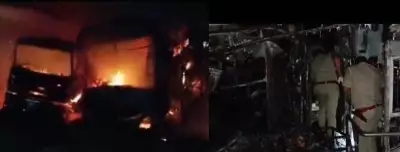
For Novin Christopher, the 1965 India-Pakistan war began not with a declaration but with the deep rumble of artillery before dawn. Living in Attari village near the border, he was a schoolboy when the conflict transformed his peaceful home into a frontline. The ground shook, windows rattled, and dogs howled as war announced itself without warning.
From Village Life to War Zone
The transformation was swift. Army convoys rolled through Attari carrying ammunition, rations, and soldiers whose faces reflected quiet determination. Dust rose behind the vehicles, mingling with the smell of diesel and gun oil. Orders rang out as boots struck the earth in disciplined rhythm. Every movement had purpose.
Schoolboys stepped forward without being asked. Ammunition boxes — heavy and rough — were lifted onto young shoulders. The weight cut into their skin, but no one complained.

Air Battles Overhead
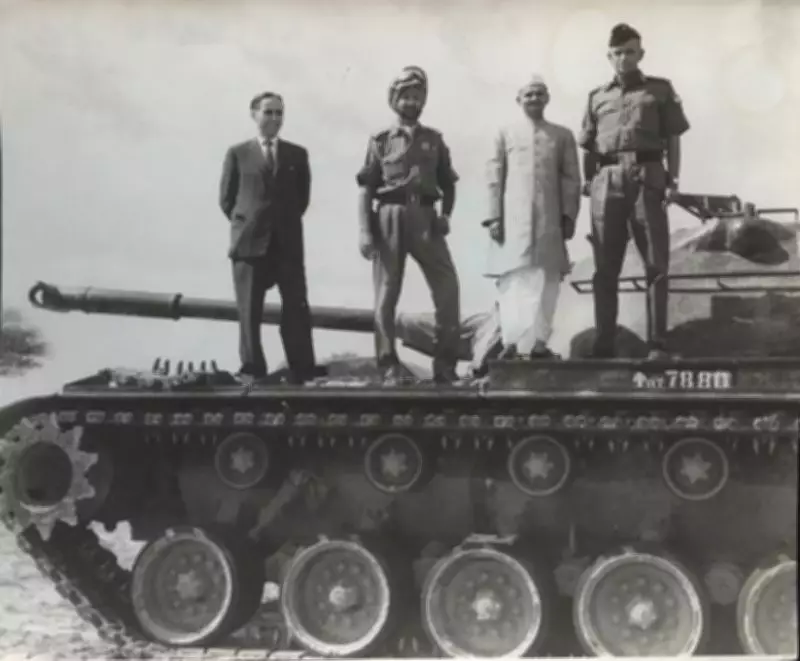
The skies soon turned into a battlefield. Pakistan had deployed F-86 Sabre jets and F-104 Starfighters, while the Indian Air Force responded with its famed Folland Gnats. At times, B-57 Canberra bombers flew so low that they seemed to blot out the sun. Each explosion shook the earth beneath their feet. Yet, in childish innocence, fear gave way to defiance. The boys picked up stones and hurled them at the aircraft, convinced that courage alone could challenge steel.
Night brought no relief. Blackouts plunged the village into total darkness. They slept fully clothed, ready to run at a moment's notice. Along the horizon, flashes of artillery lit the sky like lightning without rain.
Life Amid Devastation
As days passed, families fled, fields were abandoned, and familiar routines gave way to survival. Water tanks were destroyed, bridges lay twisted, and homes bore the scars of relentless shelling. Yet amid the devastation, the quiet professionalism of the Indian soldier left a lasting impression. They cleaned their rifles with care, shared water sparingly, and tended to the wounded without complaint. Their courage did not roar; it endured.
After 17 relentless days, the guns finally fell silent. By then, Indian forces had advanced to the Ichhogil Canal before the ceasefire took effect. Walking through the battered landscape, Christopher saw shattered homes, cratered roads, and smoke still rising from the earth. Standing among those ruins, he made a silent promise to himself that he would one day wear the uniform of the armed forces.
Promise Fulfilled
Years later, that promise became a reality when he joined the Indian Navy. During the India-Pakistan War of 1971, he served aboard INS Kirpan, carrying with him not only the responsibilities of a sailor but also the enduring spirit of Attari — the village where the war found him, and in finding him, shaped the course of his life.