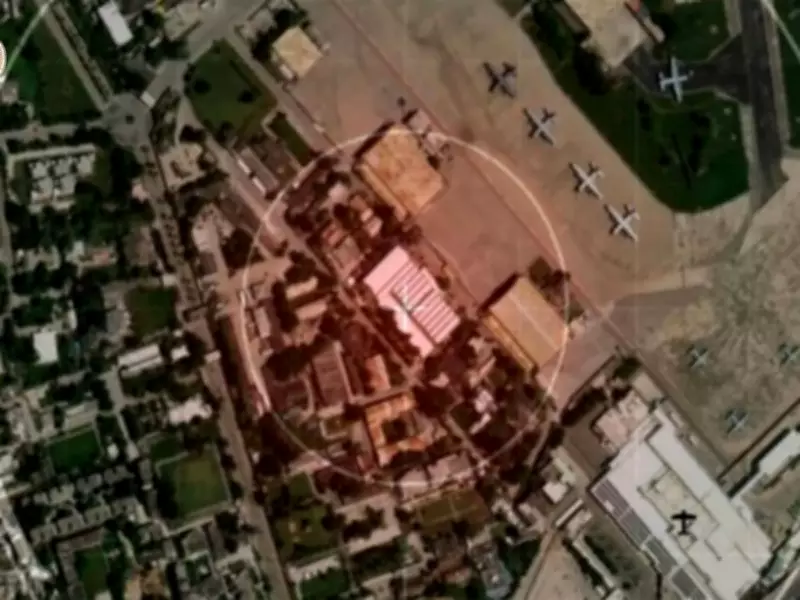
Afghanistan Launches Military Strikes on Pakistan's Key Nur Khan Airbase
In a significant escalation of regional tensions, Afghanistan has conducted military strikes targeting Pakistan's strategic Nur Khan airbase. This development marks a notable intensification in the ongoing border disputes between the two neighboring countries, raising concerns about stability in South Asia.
Details of the Attack on the Strategic Installation
The strikes specifically aimed at the Nur Khan airbase, which serves as a critical military installation for Pakistan. Located in a strategically important region, this airbase plays a vital role in Pakistan's defense and operational capabilities. Reports indicate that the attack involved precision targeting, though the exact nature of the weapons used and the extent of damage inflicted remain under assessment by authorities.
This incident represents one of the most direct military confrontations between Afghanistan and Pakistan in recent years, highlighting the deteriorating diplomatic relations and security challenges along their shared border. The timing of the strikes coincides with heightened tensions over territorial claims and cross-border militant activities, which have long been points of contention.

Background of Afghanistan-Pakistan Border Disputes
The border between Afghanistan and Pakistan, particularly the Durand Line, has been a source of ongoing conflict and disagreement. Both nations have accused each other of harboring militant groups and conducting cross-border incursions, leading to sporadic clashes and diplomatic standoffs. The targeting of a key military asset like the Nur Khan airbase suggests a shift towards more aggressive posturing, potentially signaling a new phase in their bilateral relations.
Analysts note that such strikes could have broader implications for regional security, affecting not only Afghanistan and Pakistan but also neighboring countries and international stakeholders involved in peace efforts. The involvement of strategic military installations underscores the high stakes involved, with potential risks of further escalation if not managed through diplomatic channels.
Potential Consequences and Regional Implications
The attack on the Nur Khan airbase is likely to prompt a strong response from Pakistan, which has historically maintained a robust military posture. Possible consequences include:
- Increased military deployments along the border, leading to heightened alert levels and potential skirmishes.
- Diplomatic fallout, with both nations possibly recalling ambassadors or engaging in heated exchanges at international forums.
- Impact on regional peace initiatives, as such incidents could undermine efforts by global powers to mediate conflicts in Afghanistan and Pakistan.
- Economic repercussions, including disruptions to trade and cross-border movements, affecting local communities and broader economic ties.
Furthermore, this event may influence the strategic calculations of other regional players, such as India and China, who have vested interests in the stability of South Asia. It also raises questions about the effectiveness of existing security agreements and the need for renewed dialogue to address underlying grievances.
Looking Ahead: Paths to De-escalation
To prevent further conflict, experts emphasize the importance of immediate de-escalation measures. These could involve:
- Emergency diplomatic talks facilitated by neutral third parties or international organizations.
- Transparency in investigations into the strikes, with both sides sharing information to build trust.
- Reinforcement of border security protocols to prevent future incidents and reduce misunderstandings.
- Engagement in multilateral forums, such as the United Nations, to address broader security concerns collaboratively.
In conclusion, the strikes by Afghanistan on Pakistan's Nur Khan airbase represent a critical juncture in their bilateral relations, with far-reaching implications for regional peace. As tensions simmer, the international community watches closely, hoping for a peaceful resolution to avert a larger conflict.