

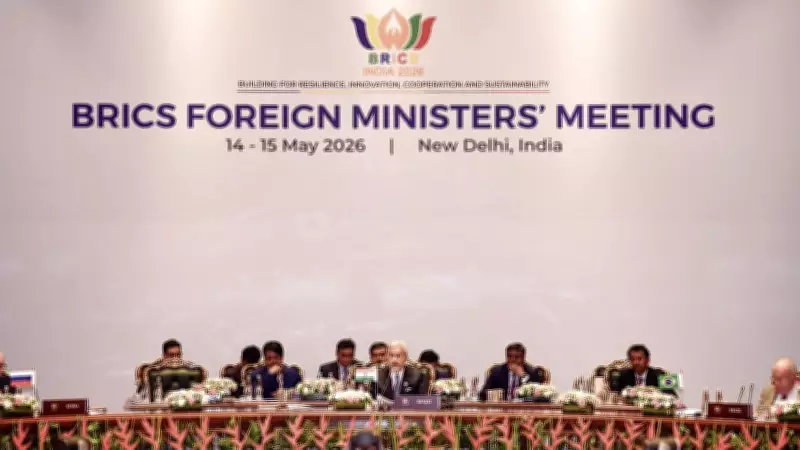
BRICS day two talks concluded without a joint statement, exposing deep divisions among member nations over the ongoing war in Iran. The lack of consensus underscores the challenges faced by the bloc in presenting a unified front on international conflicts.
Key Sticking Points
Discussions reportedly stalled over language regarding the Iran conflict, with some members advocating for a stronger condemnation of military actions while others favored a more neutral stance. The deadlock prevented the issuance of any collective statement, a rare occurrence for the group.
Member Positions
- Russia and China pushed for language criticizing Western involvement in the region.
- India and Brazil sought a balanced approach, emphasizing the need for de-escalation and humanitarian aid.
- South Africa aligned with the call for an immediate ceasefire but avoided direct blame.
The divisions reflect broader geopolitical rifts, with members tied to different alliances and interests. Analysts note that the BRICS bloc, often seen as a counterweight to Western-dominated institutions, struggles to maintain cohesion on volatile issues.

Impact on BRICS Unity
The failure to agree on a joint statement may weaken the bloc's perceived solidarity. However, officials downplayed the setback, emphasizing that BRICS remains committed to dialogue on global governance reforms and economic cooperation. The next summit is scheduled to address these underlying tensions.






