

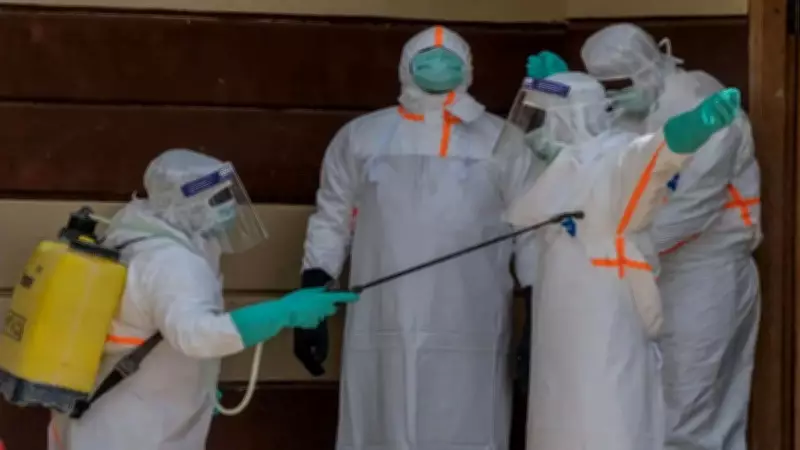
Congolese authorities have reported one of the highest single-day increases in Ebola cases, as weak contact tracing, insecurity, and funding gaps continue to hinder the response a month after the outbreak was declared.
Record Daily Increase
The Congolese Ministry of Health reported on Sunday that 72 new cases were confirmed in a 24-hour period, bringing the total number of confirmed cases to 782. This includes 181 confirmed deaths, after 32 new fatalities were recorded.
Underreporting Concerns
However, the actual number of cases in Congo is believed to be higher because the outbreak was confirmed on May 15, weeks after it is suspected to have begun. The contact tracing coverage rate currently stands at 56%, a sharp decrease from the previous week.

Unique Virus Strain
The current Ebola outbreak is caused by the rare Bundibugyo virus, for which there is no approved vaccine or treatment, unlike the Zaire virus responsible for most of Congo's past 16 outbreaks.
Fifty-six people have recovered, and the current fatality rate of the outbreak is 23%, according to the ministry.
International Response
The World Health Organization said Sunday it is intensifying testing, contact tracing, and treatment efforts. Africa's top health body announced the same day it is deploying technical expertise and supporting laboratory systems, active case finding, and community engagement to accelerate the response.
"We remain committed to supporting affected countries until transmission is stopped. We call on partners and donors to urgently mobilize resources to strengthen the response and save lives," said Jean Kaseya, head of the Africa Centers for Disease Control and Prevention (Africa CDC).
Geographic Concentration
The outbreak is concentrated in Congo's eastern province of Ituri, which accounts for more than 90% of cases. Cases have also been recorded in North Kivu and South Kivu provinces, and have spread across the border to Uganda.
Challenges in Contact Tracing
Nearly a million people have been displaced by conflict in Ituri, according to the U.N. humanitarian office, making contact tracing difficult as people flee attacks or move frequently in the vast province with dense forests, poor roads, and remote villages that can take days to reach. Tracing is also challenging among the thousands of artisanal miners who regularly move between remote sites in the mineral-rich region.






