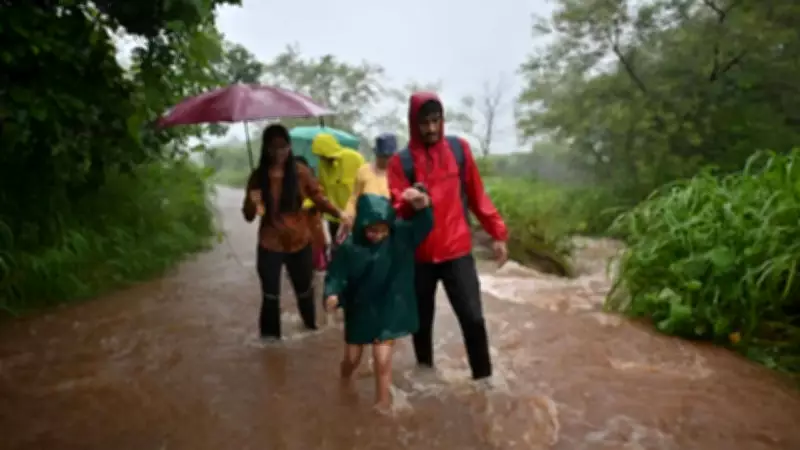
Today, getting branded rain jackets is a matter of clicks. You can search for the best, most affordable option online and get it within a day. If online is not your thing, then visiting a nearby store is as easy as it gets. However, back in the day, numerous Indians had to brave the rains with umbrellas and let their clothes get soaked.
This was the case until a freedom fighter stuck inside the British prison came up with an idea. Surendra Mohan Bose was a scientist and a committed nationalist. Educated at Berkeley and Stanford universities in the US, he returned to India during the British rule and became involved with the freedom movement.
However, his political activities led to him being imprisoned in Hamirpur, Uttar Pradesh during the First World War. While in jail, Bose came across accounts of Indian soldiers operating in difficult weather conditions without adequate rain protection, groundsheets or waterproof boots. He read about the war, where soldiers from the nation were being sent without access to waterproof products.

His Home for the Nation
After his release, Bose decided to act on his idea. He collaborated with his brother Ajit Mohan, Jogindra Mohan and Bishnupada and began to experiment with waterproof material at their ancestral home on Nazar Ali Lane in Kolkata. They converted a small shed into a workshop and began developing a manufacturing process that could produce durable rainwear at a reasonable price. Finally, a breakthrough came, not from some experiment but from studying ducks.
The brothers noticed how effortlessly water rolled off a duck's feathers due to the natural oils covering them. Inspired by this, they worked on a unique vulcanisation technique that made fabric waterproof while maintaining flexibility and durability.
The method came to be known as the "duckback process" and the company also adopted the name. The phrase "like water off a duck's back" inspired the brand name Duckback, signalling protection against rain and moisture.
India, Welcome Affordable Raincoats
In 1920, the family launched Duckback rainwear. At a time when imported products were extremely expensive, the brand offered a locally made alternative for Indians. Over the years, from school kids to office workers, everyone chose the brand to save themselves from the unforgiving Indian monsoons.
What started as Bengal Waterproof Works evolved into Bengal Waterproof Limited. By 1940, the company had formally established itself and expanded operations as well. After Bose died in 1948, his eldest son Debabrata Bose took charge. He studied rubber technology in England and when he returned to India he continued to expand. In the mid-1960s, artist Ranen Ayan Dutt designed the company's now-famous logo, giving the brand a visual identity that many Indians still recognise.
Now, the brand isn't just limited to public use. Its specialised products are used in defence applications, including G-suits worn by Air Force pilots and submarine escape suits designed for naval personnel.
The company's story might have begun with filling a market gap and helping out the country, but it also became an icon of self-reliance and national devotion.