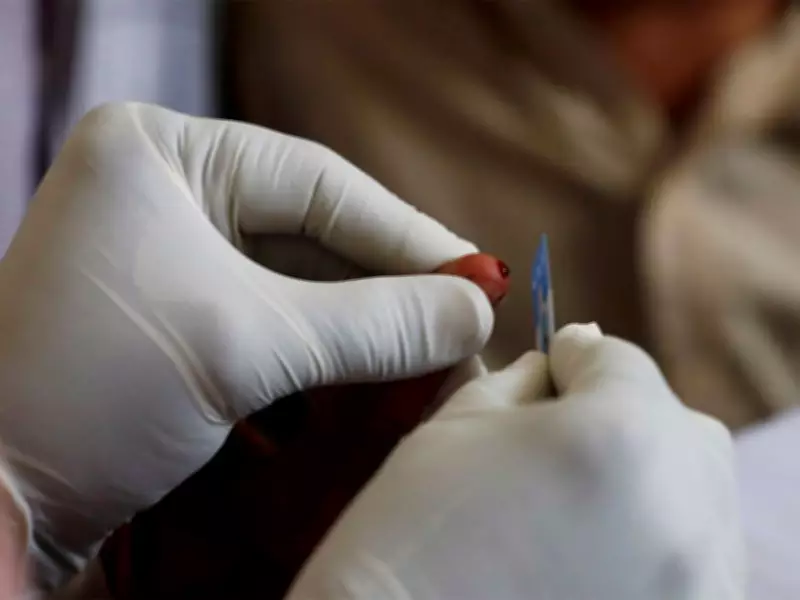
The number of confirmed Human Immunodeficiency Virus (HIV) infections linked to the transmission incident at Karachi's Kulsum Bai Valika (KBV) Hospital has risen to 80 after two more girls tested positive, according to The Express Tribune.
Increase in Cases After New Positive Tests
Sindh Labour Minister and Sindh Employees' Social Security Institution (SESSI) Chairman Saeed Ghani had confirmed HIV infection in 78 children last week. With the latest two cases, the total number of confirmed infections has increased to at least 80.
The father of a nine-year-old girl whose HIV infection was confirmed on Friday said that all three of his children had tested positive for the virus, The Express Tribune reported.

Legal and Government Response
Earlier, on July 3, the Sindh High Court directed the provincial government to submit a detailed report within two weeks in response to a petition alleging that more than 200 children of industrial workers contracted HIV and nine died due to alleged negligence at KBV Hospital in Karachi, according to The Express Tribune.
National HIV Crisis
In January this year, the National Assembly Standing Committee on National Health Services, Regulations and Coordination (NHSR&C) revealed that there are a staggering 300,000 cases of HIV in the country, with only 34,000 patients being treated, Dawn reported.
The committee expressed serious concern over the reported 300,000 HIV cases in Pakistan, noting that while only 87,000 had been diagnosed, a mere 34,000 patients are currently under treatment.
Regulatory Lapses in Healthcare
The committee was informed that none of the private hospitals and dispensaries in Islamabad held a valid license, despite the establishment of the Islamabad Healthcare Regulatory Authority (IHRA) in 2018.
Serious concerns were raised over unregulated pricing by private hospitals, lack of charity care, detention of patients and dead bodies over unpaid bills, poor solid waste management, illegal clinics, unsafe abortions, and the over-the-counter sale of medicines by pharmacies without prescriptions.
Public Health Challenges
These concerns were discussed during a meeting at Parliament House under the chairmanship of MNA Dr Mahesh Kumar Malani, aimed at addressing critical public health challenges, regulatory lapses in the private healthcare sector, and policy bottlenecks affecting medical education and patient welfare.
During the meeting, members highlighted grave issues related to the identification of hotspots and red zones, and alarming reports of HIV-positive newborns, particularly in Sindh and other areas of Pakistan, Dawn noted.