Government Withdraws Emergency Gas Restrictions
The Indian government has officially withdrawn the emergency gas use curbs that were imposed during the disruption of liquefied natural gas (LNG) shipments through the Strait of Hormuz. The decision comes as LNG supplies have returned to normal levels following the easing of tensions in West Asia.
Background of the Original Order
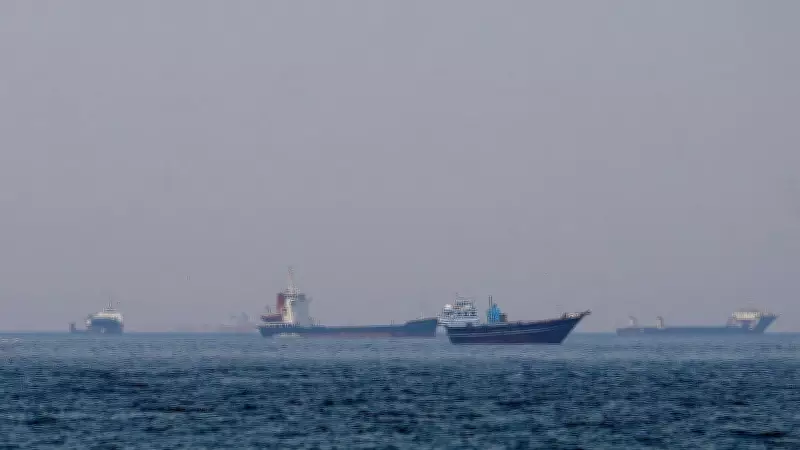
The original order, enacted under the Disaster Management Act, was introduced after conflict in West Asia led to significant disruptions in LNG tanker movements through the Strait of Hormuz, a critical chokepoint for global energy trade. The curbs mandated reduced gas consumption for industrial and commercial users to prioritize supply for essential sectors such as power generation and fertilizer production.
Impact of the Hormuz Disruption
During the peak of the crisis, India, which imports about 50% of its LNG requirements, faced a sharp reduction in spot cargoes. The government estimated that the disruption could cut LNG availability by up to 15% in the short term, prompting the emergency measures. The restrictions affected industries like steel, ceramics, and textiles, which rely heavily on natural gas for production processes.

Normalisation of LNG Supplies
According to an official statement from the Ministry of Petroleum and Natural Gas, LNG imports have stabilised, with multiple cargoes arriving from alternative sources such as Qatar, the United States, and Australia. The government noted that global LNG prices have also moderated, reducing the need for emergency intervention. “The situation has improved significantly, and we are confident that market forces can now manage supply and demand without regulatory curbs,” a ministry spokesperson said.
Details of the Withdrawal
The order withdrawing the curbs was notified late on July 4, 2026, and takes immediate effect. It revokes all prior directives that restricted gas usage for non-essential purposes. The government has advised industries to resume normal operations while maintaining buffer stocks to ensure energy security in case of future disruptions.
Broader Context and Future Preparedness
The withdrawal marks a return to normalcy after months of heightened vigilance. India has been diversifying its energy sources and expanding strategic storage facilities to reduce vulnerability to geopolitical shocks. The crisis underscored the importance of the Strait of Hormuz, through which about 20% of global LNG passes. The government plans to increase domestic gas production and accelerate renewable energy adoption to enhance long-term energy independence.