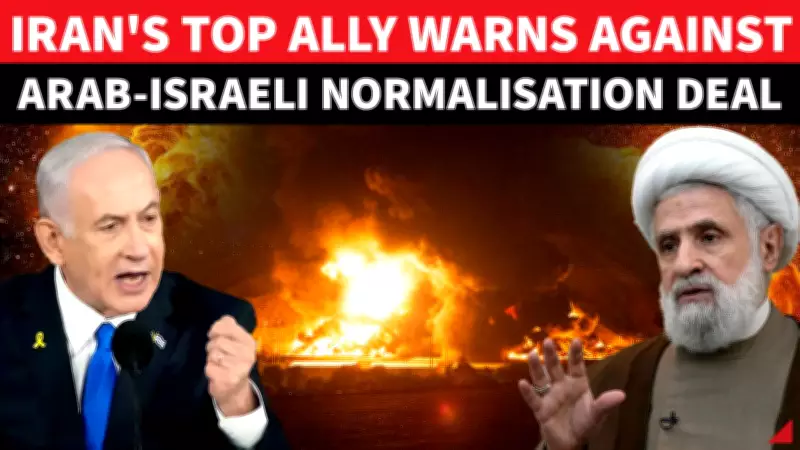
Iran-Aligned Forces Issue Stark Warning to Arab Nations Over Israel Ties
In a dramatic escalation of regional tensions, Iran-aligned militant groups have issued a blunt warning to Arab nations considering normalization with Israel, declaring there is "no diplomacy, only bullets" in their approach. This stark message comes as the United States prepares to broker a high-stakes diplomatic meeting in Washington, D.C., aimed at ending the devastating months-long war between Israel and Lebanon.
Washington Talks Face Immediate Opposition
The planned negotiations, which will feature direct contact between Israeli and Lebanese ambassadors with U.S. mediation, represent the first such diplomatic engagement in decades. However, optimism for a breakthrough remains critically low. Hezbollah leadership has vehemently denounced the talks as futile and ineffective, demanding their immediate cancellation.
Hezbollah officials assert that true leverage in this conflict resides on the battlefield, not in conference rooms. This position directly challenges the diplomatic efforts spearheaded by the United States, creating a significant obstacle before negotiations have even begun.

Regional Implications of the 'Bullets Over Diplomacy' Stance
The Iranian camp's aggressive posture carries profound implications for regional stability:
- Arab nations pursuing or considering normalization agreements with Israel now face explicit military threats
- The statement undermines U.S. diplomatic initiatives aimed at de-escalating Middle Eastern conflicts
- It reinforces the growing divide between diplomatic solutions and military approaches in the region
- The warning suggests Iran-aligned forces are prepared to escalate hostilities rather than pursue negotiated settlements
Context of the Israel-Lebanon Conflict
The Washington talks come after months of intense warfare that has:
- Ravaged Lebanese infrastructure and communities through heavy bombardment
- Created a humanitarian crisis with significant civilian displacement
- Tested regional alliances and international mediation efforts
- Demonstrated the limitations of diplomatic channels in resolving deeply entrenched conflicts
Hezbollah's rejection of diplomacy reflects their assessment that military pressure remains their most effective tool, particularly as they coordinate closely with Iranian strategic interests in the region.
The Diplomatic Challenge Ahead
U.S. mediators face an extraordinarily difficult task in bringing the parties to meaningful dialogue. The Iranian camp's uncompromising position, combined with Hezbollah's battlefield confidence, creates a diplomatic environment where traditional negotiation tactics may prove inadequate. The success or failure of these talks could determine whether the region moves toward de-escalation or further military confrontation in the coming months.