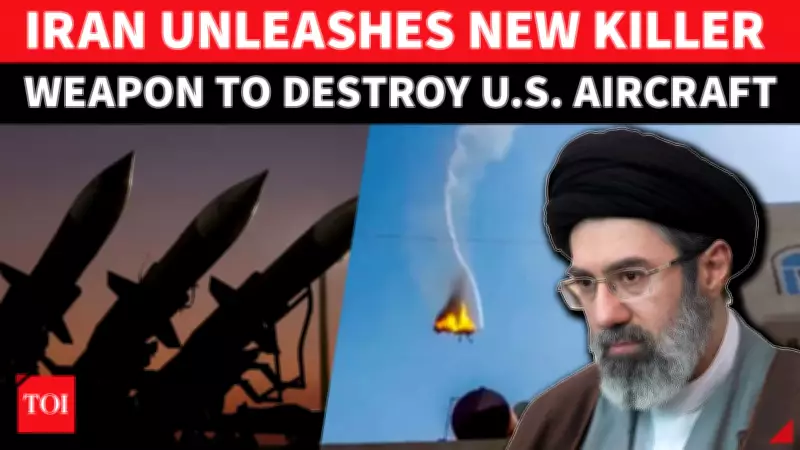
Iran has claimed that its newly deployed Arash-e-Kamangir air defense system successfully shot down a US MQ-9 Reaper drone near the Strait of Hormuz. The announcement was made by Iranian state media on May 30, 2026, asserting that the interception demonstrates Tehran's continued military effectiveness despite months of ongoing conflict.
Details of the Incident
According to Iranian officials, the Arash-e-Kamangir system engaged and destroyed the unmanned aerial vehicle in the vicinity of the strategic waterway. The MQ-9 Reaper, a high-altitude, long-endurance drone used extensively by the US military for surveillance and strike missions, was reportedly operating in international airspace. Tehran claims the shootdown proves its air defense capabilities remain robust and operational.
Unverified Claims
The Iranian assertion has not been independently verified. US Central Command has not issued an official statement confirming or denying the loss of an MQ-9 in that region. Analysts caution that such claims often serve propaganda purposes, especially amid heightened tensions between the two nations. However, if confirmed, it would mark a significant escalation in the ongoing standoff.

Iran's Investment in Air Defense
Military experts note that Iran has been investing heavily in mobile, low-cost air defense systems like the Arash-e-Kamangir. These systems are designed to counter advanced aerial threats while being difficult to detect and destroy. The Arash-e-Kamangir, named after a legendary Persian archer, is believed to be a radar-guided missile system capable of engaging targets at medium ranges. Its mobility allows it to be rapidly redeployed, making it a persistent challenge for adversary air operations.
Strategic Implications
The Strait of Hormuz is a critical chokepoint for global oil shipments, and any military incident there raises concerns about potential disruptions to energy markets. The claimed shootdown comes amid ongoing negotiations between the US and Iran over nuclear programs and regional security. Some analysts view this as a message from Tehran that it retains the ability to defend its territorial claims and project power in the region.
While the veracity of the claim remains uncertain, it underscores the fragile security environment in the Persian Gulf. Both nations have previously engaged in tit-for-tat actions involving drones and naval assets. The international community is closely monitoring the situation for any signs of further escalation.