

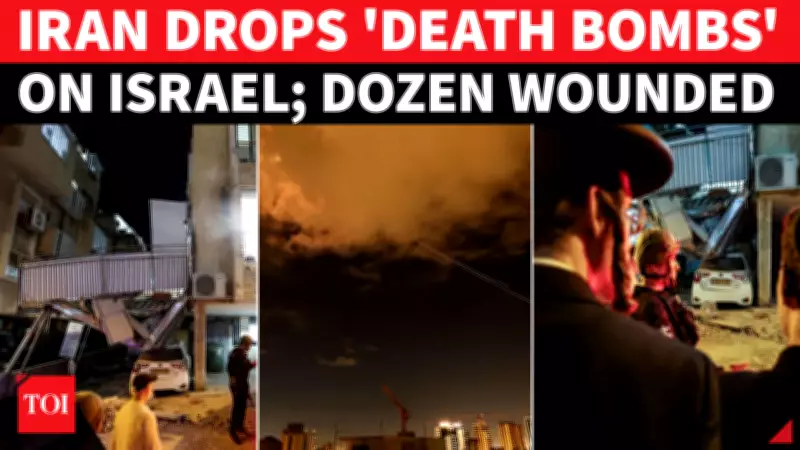
Iranian Cluster Munition Strike Near Tel Aviv Injures Dozen, Causes Heavy Damage Across Three Israeli Cities
In a significant escalation of regional hostilities, Iranian forces launched a cluster munition strike targeting central Israel, resulting in multiple casualties and extensive property damage. The attack, which occurred on March 25, 2026, has heightened fears over the intensifying conflict and its dire implications for civilian safety.
Direct Impact on Bnei Brak and Surrounding Areas
The primary target of the strike was Bnei Brak, a city located near Tel Aviv, where cluster munitions caused severe damage to residential neighborhoods. A building collapse in the area left approximately a dozen people injured, with emergency services reporting a young man in serious condition and several children among the wounded. Magen David Adom emergency teams swiftly responded, transporting victims to nearby hospitals for urgent medical care.
Widespread Damage Across Central Israel
Beyond Bnei Brak, the attack had a broader impact, with multiple impact sites reported across central Israel. In Petah Tikva, shrapnel from the munitions inflicted damage on structures and infrastructure, while in Rosh HaAyin, vehicles were directly hit, compounding the destruction. The coordinated nature of these strikes suggests a deliberate effort to target urban centers, raising alarms about the potential for further civilian harm.

Escalating Conflict and Regional Tensions
This incident is part of a growing wave of attacks that have marked an escalation in the ongoing conflict between Iran and Israel. The use of cluster munitions, which are known for their indiscriminate effects, underscores the increasing intensity of the hostilities. Analysts warn that such actions could lead to a broader regional crisis, with implications for international stability and security.
Emergency Response and Humanitarian Concerns
Emergency services, including Magen David Adom, have been mobilized to address the aftermath, focusing on rescue operations and medical aid. The presence of children among the injured highlights the humanitarian toll of the conflict, prompting calls for increased protection of civilians in conflict zones. The international community is closely monitoring the situation, with concerns mounting over the potential for further escalation and its impact on innocent lives.
As tensions continue to rise, this strike serves as a stark reminder of the volatile nature of the Middle East conflict, with both sides facing increased risks and the urgent need for diplomatic efforts to prevent further violence.






