Iran Conflict Intensifies: Drone Warfare Strains US-Allied Defenses Across West Asia
Just three days into the escalating conflict, the war involving Iran has rapidly transformed into a grueling battle of attrition. The Islamic Republic has unleashed relentless waves of drone attacks, placing immense pressure on the defensive systems of the United States and its regional partners, stretching from Bahrain to the United Arab Emirates. This sustained assault is critically depleting weapons stockpiles, raising urgent strategic concerns.
Live Conflict Updates: Missile Strikes and Retaliatory Bombings
Recent developments include Iran launching a 'massive missile' strike targeting a US airbase located in Bahrain. In a significant retaliatory move, Israel conducted bombing raids on Beirut. Satellite imagery has revealed the extensive aftermath of strikes on Iranian sites, ranging from Supreme Leader Ayatollah Ali Khamenei's compound to critical nuclear facilities, following coordinated US-Israel military actions.
The High Cost of Defense: $700 Million in a Single Day
Dubbed 'Operation Epic Fury', the US military expenditure has skyrocketed, with reports indicating a staggering $700 million spent within a mere 24-hour period. The final total cost of the war remains profoundly uncertain, casting a shadow over long-term financial and logistical planning.

The central outcome of this fierce confrontation may ultimately hinge on a critical factor: which side exhausts its munitions supply first. This reality underscores the attritional nature of the current warfare.
Shahed-136 Drones: A Cheap but Potent Threat
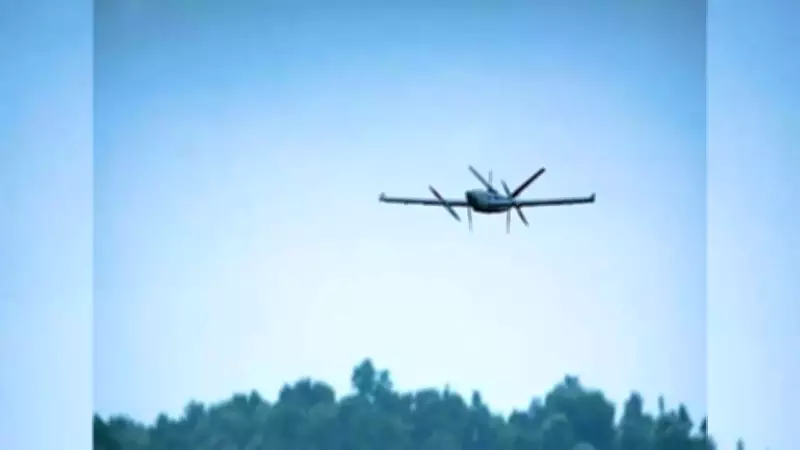
On Monday, Shahed-136 one-way attack drones—small, rudimentary cruise missiles—continued their relentless assault, pounding targets across West Asia. While US-made Patriot air-defense missile systems have demonstrated considerable success, with the UAE reporting interception rates exceeding 90%, a severe tactical dilemma has emerged.
Deploying advanced Patriot missiles, each costing approximately $4 million, to destroy inexpensive Iranian drones valued at around $20,000 each, highlights a pervasive problem. This issue has haunted military strategists since the onset of the Ukraine war: inexpensive, mass-produced weapons can systematically consume resources and stockpiles originally intended for countering far more sophisticated and complex threats.
This asymmetric warfare dynamic is forcing a reevaluation of defense postures and inventory management among the US and its allies as the conflict in West Asia continues to evolve.