

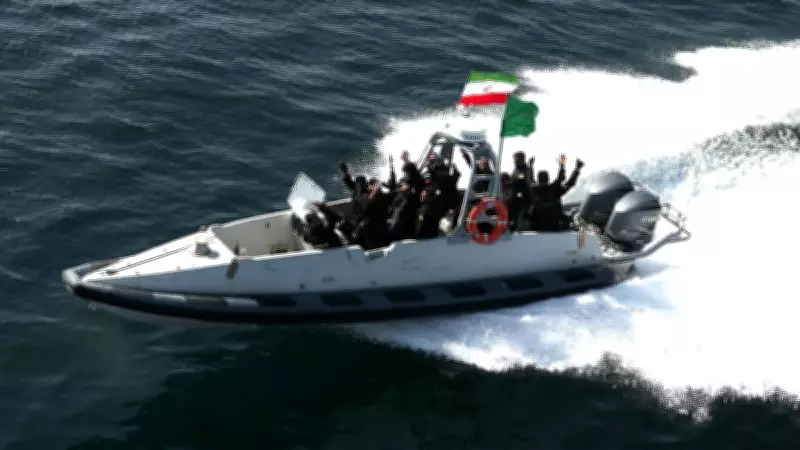
Iran Escalates Tensions with Drone Strikes on US Naval Forces
In a significant escalation of military hostilities, Iran has launched a coordinated drone attack targeting United States warships operating in the strategically vital Gulf of Oman. This aggressive action comes as a direct response to a prior assault on an Iranian vessel in the same maritime region, marking a dangerous new phase in the ongoing geopolitical friction between Tehran and Washington.
Details of the Drone Assault and Immediate Aftermath
The Iranian military deployed multiple unmanned aerial vehicles (UAVs) aimed at US naval assets patrolling the Gulf of Oman. This waterway is a critical chokepoint for global oil shipments, making any military activity here a matter of international concern. The drone strikes followed an earlier attack on an Iranian ship, which Tehran has attributed to US-aligned forces, although official confirmation of responsibility remains pending.
Initial reports indicate that the US warships successfully intercepted several of the incoming drones using their advanced defensive systems. However, the sheer scale and coordination of the assault have raised alarms within the Pentagon and among allied nations monitoring the situation. There have been no immediate reports of significant casualties or damage to US vessels, but the psychological and strategic impact is profound.

Broader Context and Regional Implications
This incident occurs against a backdrop of heightened tensions in the Middle East, where Iran and the United States have been engaged in a prolonged shadow war involving proxy conflicts, economic sanctions, and sporadic military confrontations. The Gulf of Oman, in particular, has been a flashpoint, with previous incidents including tanker seizures and missile tests exacerbating regional instability.
The drone attack represents a clear message from Iran regarding its military capabilities and willingness to challenge US naval supremacy in its vicinity. Analysts suggest that Tehran may be testing Washington's resolve and the effectiveness of its air defense mechanisms in a high-stakes environment.- Strategic Waterway: The Gulf of Oman connects the Arabian Sea to the Strait of Hormuz, through which approximately one-fifth of the world's oil passes. Any disruption here could have severe repercussions for global energy markets and economic stability.
- Military Posturing: Iran's use of drones highlights its asymmetric warfare strategy, leveraging relatively low-cost technology to pose a significant threat to much larger naval forces.
- Diplomatic Fallout: The attack is likely to strain already fragile diplomatic efforts and could lead to renewed calls for sanctions or military reinforcements from the US and its allies.
Potential Consequences and Future Outlook
The immediate priority for US forces is to assess the damage and reinforce their defensive posture in the region. Military commanders are undoubtedly reviewing rules of engagement and considering retaliatory options, though a measured response is expected to avoid full-scale conflict.
Internationally, this development will be closely watched by nations dependent on Middle Eastern oil, as well as by regional powers like Saudi Arabia, Israel, and the United Arab Emirates, all of which have vested interests in countering Iranian influence. The United Nations and other multilateral bodies may issue calls for de-escalation, but their ability to mediate is limited given the deep-seated animosities involved.

- Increased Patrols: The US Navy is likely to augment its presence in the Gulf of Oman and adjacent waters, potentially leading to more frequent encounters with Iranian forces.
- Economic Impact: Oil prices could see volatility as traders react to the heightened risk of supply disruptions from the region.
- Cybersecurity Threats: Beyond physical attacks, there is a growing concern that Iran might complement its military actions with cyber operations targeting critical infrastructure.
In summary, Iran's drone attack on US warships in the Gulf of Oman is a stark reminder of the volatile security landscape in the Middle East. While direct conflict remains a worst-case scenario, the incident underscores the persistent risk of miscalculation and escalation in one of the world's most strategically important regions.





