

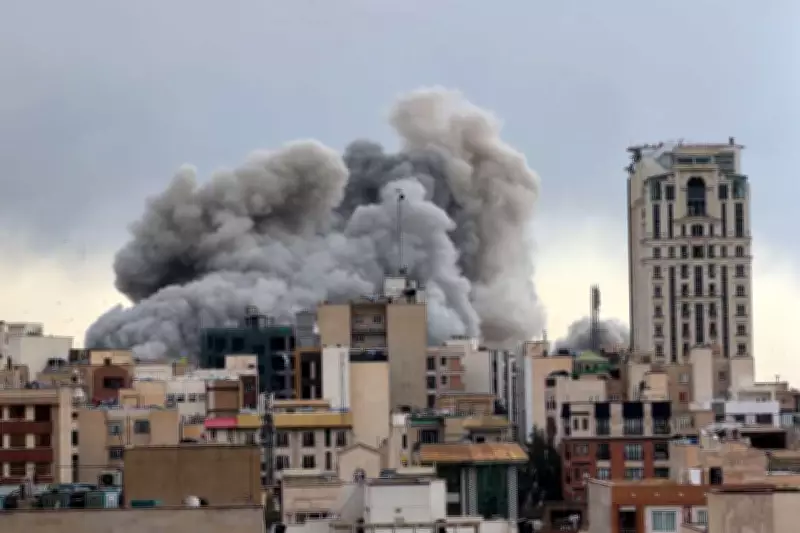
Iran-Israel Conflict Intensifies, Raising Global Concerns
The ongoing conflict between Iran and Israel has escalated dramatically, with recent drone and missile attacks heightening fears of a broader regional war. This development poses significant risks to global oil supplies and Middle East stability, drawing urgent international attention.
Military Escalation and Regional Impact
Iran launched a series of drone and missile strikes targeting Israel, which responded with defensive measures and counterattacks. These actions have intensified the long-standing tensions between the two nations, with both sides accusing each other of aggression. The conflict has already caused disruptions in the region, affecting neighboring countries like the United Arab Emirates (UAE), including Dubai, where economic activities have been impacted by the instability.
Key figures involved include Iranian leaders such as Mojtaba Khamenei and Israeli Prime Minister Benjamin Netanyahu, with former U.S. President Donald Trump also commenting on the situation. The involvement of these personalities underscores the geopolitical significance of the conflict, which is being closely monitored by global powers.

Threats to Global Oil Supply
The Middle East is a critical hub for global oil production, and the escalation of hostilities between Iran and Israel threatens to disrupt supply chains. Any significant interruption could lead to increased oil prices worldwide, affecting economies and energy markets. Analysts warn that prolonged conflict might exacerbate existing crises in the region, leading to further instability.
- Increased risk of supply disruptions from key oil-producing nations.
- Potential for higher global oil prices impacting consumers and industries.
- Growing concerns over the security of maritime routes in the Persian Gulf.
International Response and Diplomatic Efforts
World leaders and international organizations have called for immediate de-escalation to prevent a full-scale war. Diplomatic channels are being utilized to mediate between Iran and Israel, with efforts focused on reducing tensions and finding a peaceful resolution. The United Nations and other global bodies are actively involved in monitoring the situation and providing support for stability in the Middle East.
- Urgent appeals from international communities for restraint and dialogue.
- Diplomatic initiatives aimed at brokering a ceasefire and addressing underlying issues.
- Increased military presence by external powers to safeguard regional interests.
Economic and Humanitarian Consequences
Beyond oil supply concerns, the conflict has severe economic and humanitarian implications. Civilian populations in affected areas are facing heightened risks, with reports of casualties and displacement. The economic fallout includes disrupted trade, investment uncertainties, and potential recessions in vulnerable economies. Humanitarian aid organizations are mobilizing to assist those impacted by the violence.
In summary, the Iran-Israel conflict represents a critical juncture for global security and economic stability. As hostilities continue, the international community remains vigilant, emphasizing the need for swift diplomatic action to avert a larger crisis and protect global interests.






